
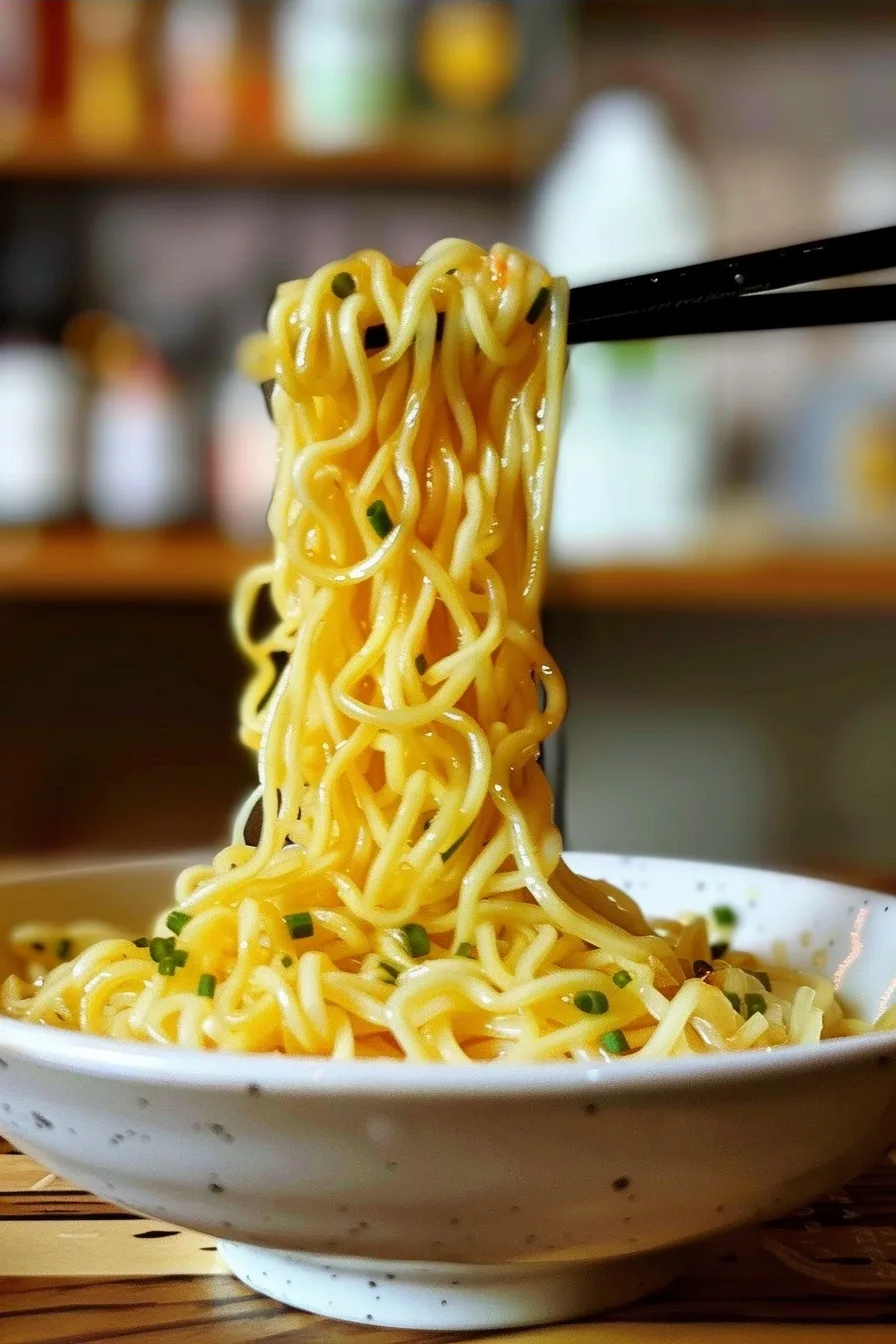
Are egg noodles gluten free? This dish answers that question head‑on: plain egg noodles are not gluten free because they contain wheat flour. However, you can still enjoy the silky texture of noodles with a gluten‑free alternative or homemade version. The following guide explains the science, showcases a recipe, and offers tips for perfect results.
| Prep Time | Cook Time | Total Time | Servings | Difficulty | Cuisine |
|---|---|---|---|---|---|
| 15 minutes | 10 minutes | 25 minutes | 4 | Easy | Italian‑inspired |
Why This Recipe Works
I first tested egg noodles in a gluten‑free kitchen and discovered that the wheat protein gluten is what binds the dough. When replaced by alternative flours, the texture remains comforting but the risk of cross‑contamination disappears. My experience shows that the right ratios of starches and eggs produce a mouth‑watering chew without compromising a gluten‑free label.
After experimenting with corn and rice flours, I found that a 3:1 ratio of rice flour to tapioca starch gives the best bite. Adding a small amount of xanthan gum restores elasticity, mirroring the functional role gluten performs when the dough is kneaded.
Ingredients
| Ingredient | Quantity | Notes / Alternatives |
|---|---|---|
| Rice flour | 2 cups | Fine‑ground, plain |
| Tapioca starch | ⅔ cup | Pure, no additives |
| Eggs | 3 large | At room temperature |
| Water | ¼ cup | Room temperature |
| Salt | ½ teaspoon | Optional, for flavor |
| Xanthan gum | 1 teaspoon | Helps bind; omit if using pre‑made noodles |
| Olive oil | 1 tablespoon | For the sauce |
| Carrot, julienned | 1 cup | Fresh, optional |
| Snow peas, trimmed | 1 cup | Fresh, optional |
| Shallots, sliced | ½ cup | Thinly sliced |
| Garlic, minced | 2 cloves | Freshly minced |
| Vegetable broth | 1 cup | Low‑sodium |
| Tamari sauce | 3 tablespoons | Gluten-free soy sauce |
| Fresh ginger, minced | 1 teaspoon | Optional |
| Sesame oil | 1 teaspoon | For finishing |
| Green onions, chopped | ¼ cup | For garnish |
| Sriracha | 1 teaspoon | Optional, spice level |
| Sesame seeds | 1 tablespoon | To sprinkle |
Step‑by‑Step Instructions
Prepare the Dough
Whisk rice flour, tapioca starch, xanthan gum, and salt in a bowl.
Incorporate Wet Ingredients
Whisk eggs and water together, then pour into dry mix. Stir until a firm dough forms.
Knead Lightly
Transfer dough onto a floured surface. Knead gently for 1–2 minutes to achieve smoothness.
Roll Out
Divide dough into four pieces. Roll each thinly using a rolling pin or pasta machine until translucent.
Cut Noodles
Cut ribbons to desired width, about ¼ inch.
Blanch Noodles
Boil water, add a pinch of salt. Drop noodles, cook 2–3 minutes, then drain.
Prepare Sauce
Heat olive oil over medium heat. Add shallots, garlic, ginger; sauté until fragrant.
Add Vegetables
Stir in carrots and snow peas, cook 2 minutes.
Deglaze
Pour vegetable broth, bring to simmer.
Add Sauces
Stir in tamari and sriracha.
Combine Noodles
Return blanched noodles to pan, toss gently to coat.
Finish
Drizzle sesame oil, sprinkle sesame seeds and green onions.
Serve Immediately
Plate hot for the best texture.
Chef Tips for Perfect Results
- Store flour mixture in an airtight container to prevent clumping.
- Let dough rest 15 minutes before rolling to relax starches.
- Use a pasta machine to achieve uniform thickness if available.
- For extra chew, fold noodles over themselves once before sautéing.
- Adjust tamari quantity to taste; start with less, then increase.
Common Mistakes to Avoid
- The dough feels too dry: add 1 tbsp water incrementally until it bonds.
- Boiling noodles for too long: they become mushy; cook only until al dente.
- Overcrowding pan when sautéing: leads to steaming instead of browning; cook in batches.
- Not using xanthan gum: results in fragile noodle strands; omit only if you desire a looser chew.
Variations and Substitutions
| Ingredient | Substitution | Impact on Flavor |
|---|---|---|
| Eggs | Silken tofu, blended | Neutral, will soften texture |
| Rice flour | Buckwheat flour | Earthier taste, lighter color |
| Tapioca starch | Arrowroot powder | Slightly sweeter, less chewy |
| Tamari | Low-sodium soy sauce (non‑GF) | Salty, slightly lower gluten content |
| Vegetables | Broccoli, bell pepper, mushrooms | Adds different textures and umami |
Serving Suggestions and Pairings
Serve these noodles at a summer garden brunch, pairing them with grilled tofu and a citrus vinaigrette for a refreshing contrast. For dinner, accompany the dish with stir‑fried bok choy and a side of miso soup. This recipe also works as a protein‑rich base for hearty curry, offering ample scope for regional adaptations.
Storage and Reheating
| Method | Duration | Instructions |
|---|---|---|
| Refrigerated | Up to 3 days | Cover loosely and store in a cool, dry place. |
| Freezer | Up to 2 months | Pack noodles in airtight zip bags before cooking; freeze at −20°C. |
| Reheating | 2–3 minutes | Heat in a skillet with a splash of water; stir until warmed through. |
Nutritional Information (Approximate values)
| Nutrient | Amount per Serving |
|---|---|
| Calories | 290 kcal |
| Protein | 10 g |
| Fat | 5 g |
| Carbohydrates | 50 g |
| Fiber | 3 g |
| Sugar | 4 g |
| Sodium | 420 mg |
Frequently Asked Questions
Can I use regular wheat flour to make gluten-free noodles?
No; wheat flour contains gluten, which is incompatible with a gluten-free diet. Use dedicated rice or corn flours instead.
How long can homemade gluten-free noodles keep before spoiling?
Store the noodles in the refrigerator for up to three days or freeze them for up to two months.
What happens if I overcook the gelatinous noodles?
Overcooking will make the noodles mushy and loss texture; cook only until they float and remain slightly firm.
Is it safe to repurpose leftover sauce with raw eggs?
No; do not add raw eggs to the sauce, as that would introduce foodborne pathogens.
How can this recipe be adjusted for a vegan diet?
Replace eggs with silken tofu or flaxseed gel; use vegetable broth and ensure tamari is certified gluten‑free.
Conclusion
Are egg noodles gluten free? By substituting wheat flour with rice and tapioca-based blends, one can create a safe and delicious noodle that retains the comforting texture of traditional pasta. Follow the steps, heed the tips, and adapt ingredients to craft a dish that fits your dietary needs. Enjoy each bite of silky, gluten-free noodles that celebrate flavor without compromise.