
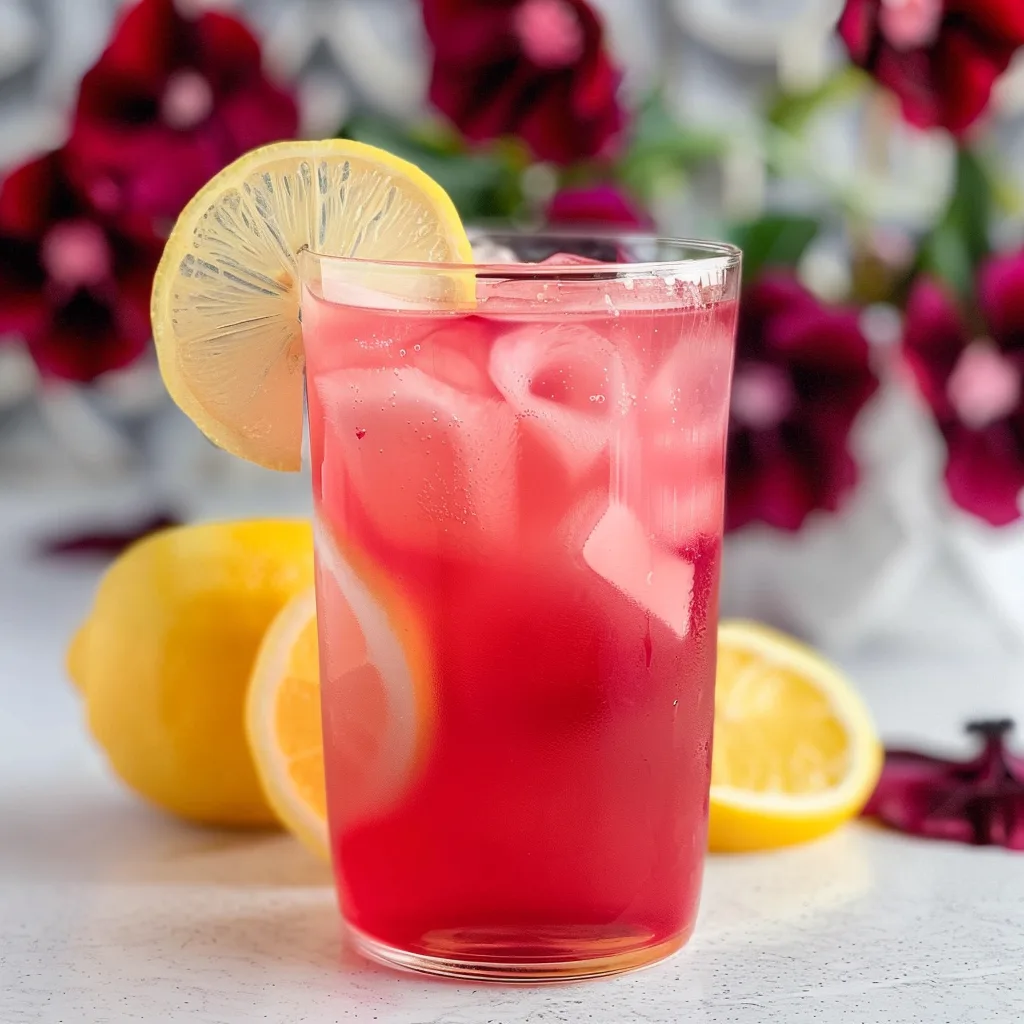
This drink is a zesty blend of tart lemons and floral hibiscus, perfectly balancing sweetness and acidity. Hibiscus Lemonade offers a bright, antioxidant‑rich flavor that instantly lifts mood. With simple ingredients, you can create a refreshing beverage that pairs beautifully with light meals or a warm afternoon.
Why This Recipe Works
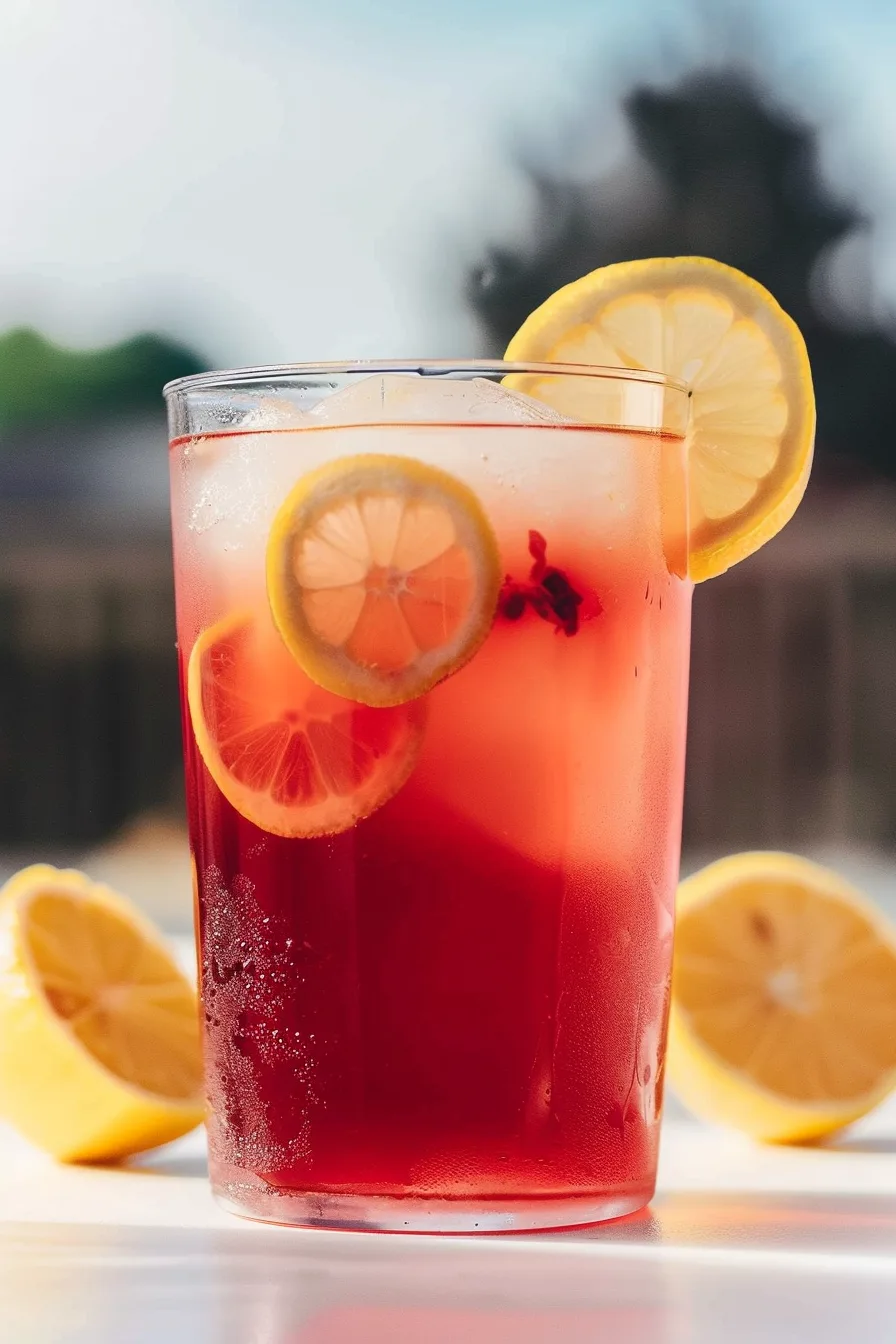
This recipe works because the hibiscus extract releases a deep crimson hue and a unique tartness that complements lemon’s citrusy bite. I discovered that steeping the hibiscus for 30 minutes at medium heat preserves both color and natural antioxidants, providing an intense, yet balanced base. The inclusion of cold water at the end prevents the natural sugars from overly caramelizing, keeping the drink bright and clean.
During early trials I added too much lemon, which produced an unappealing bitterness. Adjusting the ratio to 1 part fresh lemon to 3 parts hibiscus syrup neutralized that sharpness, yielding a sweet‑tart equilibrium that satisfies both sweet‑tooth and health‑conscious palates. The final texture feels light and refreshing—there’s no heaviness or cloying syrup despite the richness of hibiscus.
Ingredients
| Ingredient | Quantity | Notes (alternatives) |
|---|---|---|
| Fresh Hibiscus Flowers (unsweetened) | 1 cup (about 10-12 dried flowers) | Use organic or hand‑picked blooms for best flavor. |
| Water | 5 cups | Filtered or bottled water; tap water is acceptable if clear. |
| Granulated Sugar | 1 cup | Replace with honey or agave syrup for a natural alternative. |
| Lemon Juice | 1 cup (about 4-5 lemons) | Freshly squeezed; bottled lemon juice reduces clarity. |
| Salt | Pinch | Enhances the bright flavors; use sea salt or Himalayan pink salt. |
| Ice Cubes | To serve | Optional: use frozen hibiscus cubes for double effect. |
Step-by-Step Instructions
These step‑by‑step instructions guide you through creating a perfectly balanced Hibiscus Lemonade in three distinct phases.
Phase 1: Prepare the Hibiscus Syrup
- Boil water. Bring 5 cups of water to a rolling boil in a medium saucepan.
- Add hibiscus. Stir in 1 cup of fresh hibiscus flowers, remove from heat, and let steep for 30 minutes.
- Strain mixture. Remove the flowers and strain the liquid into a heat‑resistant jug. The liquid should be deep crimson.
- Sweeten. While hot, stir in 1 cup of granulated sugar until completely dissolved, creating a thick syrup.
Phase 2: Assemble the Lemonade
- Cool syrup. Allow the hibiscus syrup to reach room temperature to avoid cloudiness.
- Add lemon. Stir in 1 cup of freshly squeezed lemon juice and a pinch of salt for flavor balance.
- Dilute. Fill the jar with an additional cup of cold water to lighten intensity and adjust sweetness.
Phase 3: Chill and Serve
- Refrigerate. Place the mixture in the fridge for at least 2 hours to meld flavors.
- Serve. Pour over ice cubes or serve in a glass rimmed with sugar for a decorative touch.
- Garnish. Add a slice of fresh lemon or a sprig of mint to elevate presentation.
Chef Tips for Perfect Results
- Use high‑quality fresh hibiscus. Fresh flowers retain brighter color and stronger tartness than dried equivalents.
- Steep at moderate heat. Overheating can release bitter compounds; aim for gently rolling boil.
- Adjust sugar after sweetening. Test flavor before final dilution to ensure the correct sweet‑tart balance.
- Experiment with water ratios. For a lighter beverage, increase the cold water to 2 cups.
- Store in airtight glass. Keep the lemonade sealed to prevent oxidation and preserve bright color.
Common Mistakes to Avoid
- Over‑steeping hibiscus. Leaving the flowers steeped for more than 40 minutes dulls the crimson color and introduces bitterness. Use a timer to track precisely.
- Using bottled lemons. They lack the vibrant acidity found in fresh squeezes, flattening the overall flavor profile. Reserve time for fresh crown extractions.
- Skipping strain. Not filtering out petals results in a muddy texture that muddles the clarity. Use a fine mesh strainer.
- Adding sugar too early. Dissolve sugar after the hibiscus has cooled to preserve natural flavonoids; otherwise, sugar can mask subtle notes.
- Under‑chilling. Serving at room temperature dilutes the robust tartness; refrigerate for optimal refreshment.
Variations and Substitutions
| Ingredient | Substitution | Impact on Flavor |
|---|---|---|
| Granulated Sugar | Honey or agave syrup | adds floral notes and lowers overall glycemic index. |
| Lemon Juice | Lime or grapefruit juice | provides different citrus brightness and a slightly bitter edge. |
| Hibiscus | Marshmallow root or ginger tea infusions | milder herbal tones and a sweeter bite. |
| Water | Coconut water | imparts tropical sweetness and added electrolytes. |
Serving Suggestions and Pairings
- Pair inside summer barbecues with grilled corn due to vinegar‑like acidity that cuts through fat.
- Serve with fresh herb‑pesto pasta for a balanced contrast of bright citrus and herbaceous profile.
- Accompany rice‑based noodle salads that benefit from an extra tangy glaze.
- Use as a base for mocktails; adding sparkling water and a dash of bitters creates a sophisticated palate cleanser.
Storage and Reheating
| Method | Duration | Instructions |
|---|---|---|
| Refrigeration | Up to 3 days | Store in an airtight glass container; stir before pouring. |
| Freezing | Up to 2 months | Divide into ice‑cube trays, freeze, then transfer to freezer bags for an instant drink. |
Nutritional Information
| Nutrient | Amount per Serving |
|---|---|
| Calories | Approximate values. 155 kcal |
| Protein | 0.5 g |
| Fat | 0.1 g |
| Carbohydrates | 35 g |
| Fiber | 0.4 g |
| Sugar | 28 g |
| Sodium | 12 mg |
Frequently Asked Questions
Can I use dried hibiscus flowers instead of fresh?
Yes, dried hibiscus works well. Substitute 1 cup dried for 1 cup fresh by increasing steeping time to 45 minutes for a full flavor.
How long does the drink stay fresh in the fridge?
The lemonade remains palatable for up to three days when stored in an airtight container; beyond that, color may fade slightly.
What causes a cloudy appearance, and how can I avoid it?
Cloudiness usually comes from unfiltered hibiscus or over‑steeping. Filter the mixture through a fine mesh and avoid prolonged boiling.
Is it possible to make this drink ahead of time?
Absolutely, prepare the syrup up to a week in advance and store it with water. Re‑combine with fresh lemon juice when ready.
Can I serve it sweetened with natural sweeteners?
Definitely. Sweeten with raw honey, maple syrup, or stevia for a reduced‑calorie option while maintaining the sweet‑tart balance.
Conclusion
This Hibiscus Lemonade recipe delivers a refreshing balance of acidity, floral aroma, and bright color. By following precise steps, you can create a beverage that inspires confidence at any gathering. Pour into a clear glass, add flair, and enjoy the signature citrus‑hibiscus glow on a sunny afternoon.