
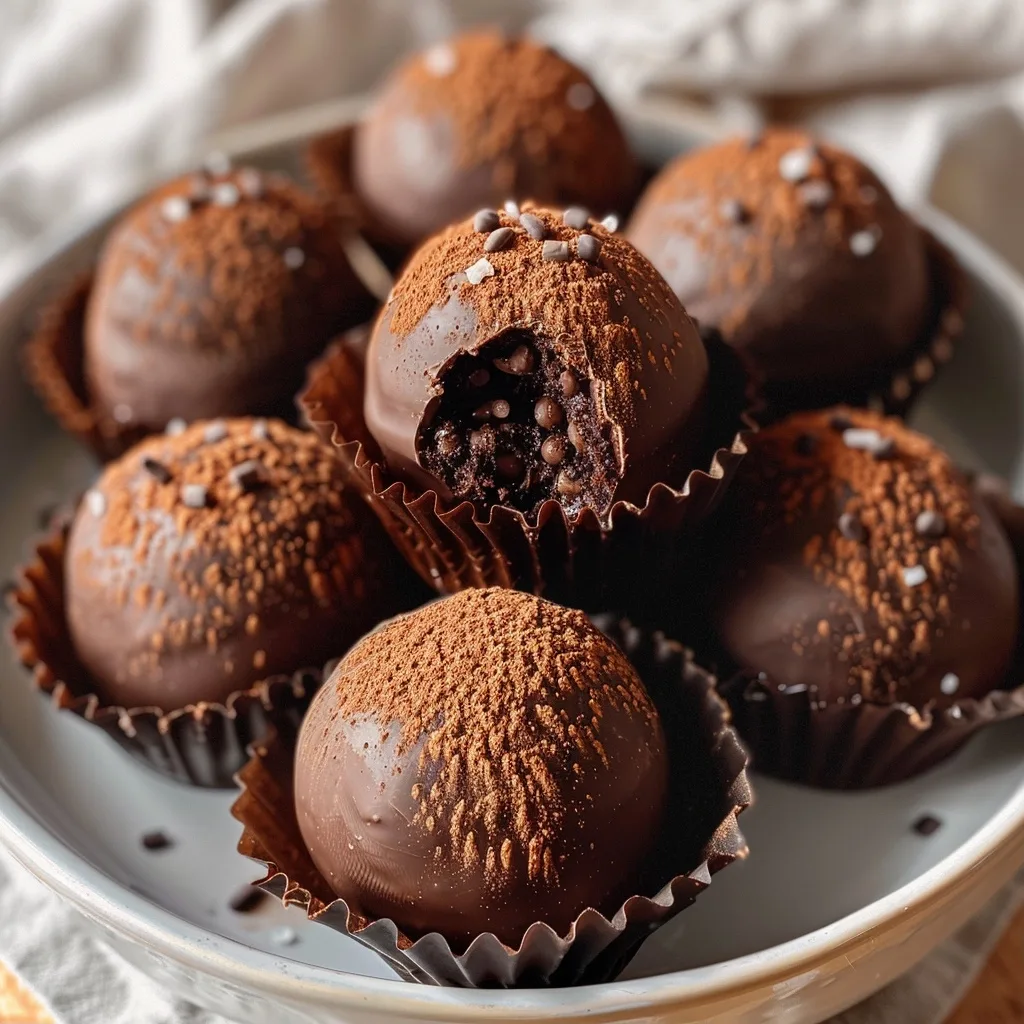
Chocolate truffles are bite‑size, ganache‑filled treats that offer unparalleled richness and melt into warm, velvety layers with each bite. They bring a sophisticated, indulgent experience every chocolate lover seeks, and their flavors unfold by the spoonful.
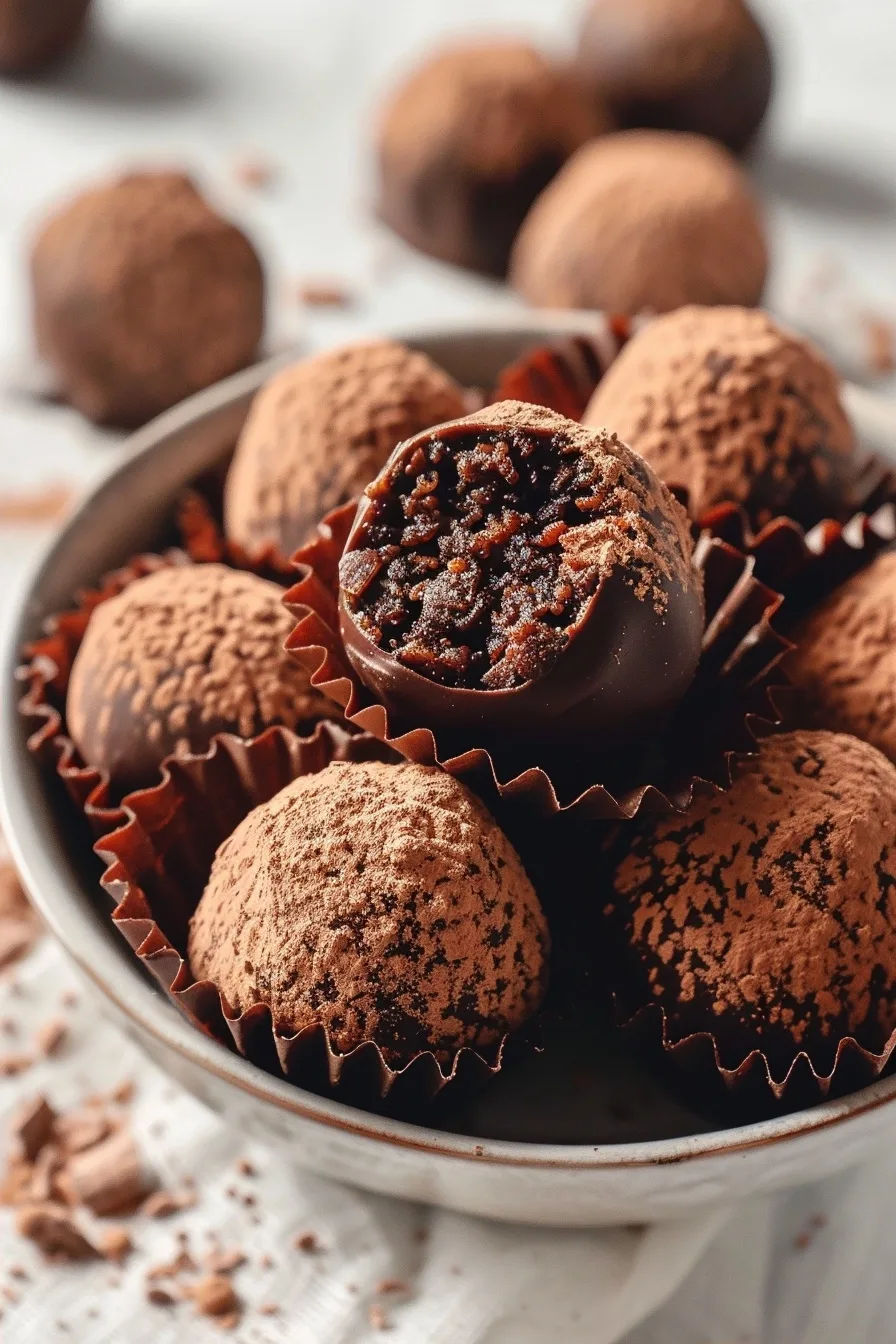
| Prep Time | Cook Time | Total Time | Servings | Difficulty | Cuisine |
|---|---|---|---|---|---|
| 30 minutes | 0 minutes | 45 minutes | 48 truffles | Easy | French |
Why This Recipe Works
When I first tried melting dark chocolate with a splash of cream and butter, the luxuriant ganache settled into silky smoothness—no lumps, just pure indulgence. The combination of high‑cocoa content and a little butter creates a stable base that holds its shape even after chilling. By folding in a touch of espresso and a pinch of sea salt, the flavor profile balances bitterness and sweet, ensuring each truffle gives a satisfying finish. This approach keeps the truffles from becoming too heavy or sticky and allows them to melt in the mouth, not on the plate.
Ingredients
| Ingredient | Quantity | Notes (Alternatives) |
|---|---|---|
| Dark chocolate (70‑80% cacao) | 8 oz (227 g) | High‑quality bars melt smoothly; avoid chip mix. |
| Semi‑sweet chocolate chips | 4 oz (113 g) | Can be swapped for milk chocolate chips. |
| Unsalted butter | 2 tbsp (28 g) | Replace with coconut butter for dairy‑free version. |
| Heavy cream | 1 cup (240 ml) | Use full‑fat for best texture. |
| Espresso or strong coffee | 1 tbsp (15 ml) | Optional, enhances chocolate depth. |
| Sea salt | Pinch | For contrast; room‑temperature salt works best. |
| Unsweetened cocoa powder or melted powdered chocolate | 1 cup (120 g) | Duster or coating; can add nuts or pistachio powder. |
| Optional: Nibs, chopped nuts, or sprinkles | to taste | Provide texture and visual appeal. |
Step‑by‑Step Instructions
Phase 1: Prepare Ganache
- Chop chocolate into small, uniform pieces to promote even melting.
- Heat cream until a gentle steam forms, then pour over the chopped chocolate.
- Stir continuously until the mixture becomes glossy and smooth.
- Add butter, sliding it completely into the ganache while stirring.
- Fold espresso and sea salt, ensuring an even distribution of flavors.
- Set the ganache in the refrigerator, allowing it to firm until it reaches a firm yet pliable consistency (10–15 minutes).
Phase 2: Roll Truffles
- Pre‑cool a small bowl of ice water in the freezer; it keeps hands from melting the ganache.
- Roll the ganache between palms, forming a smooth sphere.
- Repeat until all ganache is used, maintaining an even piece size.
- Place truffles on a parchment‑lined tray, covering with plastic wrap if desired.
- Coat dipping each sphere in cocoa powder or alternative coating, tapping off excess.
- Decorate with optional nuts, slices, or sprinkles before coating again.
- Chill in a single layer on the counter or in the refrigerator until fully set (15–20 minutes).
Chef Tips for Perfect Results
- Use a thermometer: chocolate should never exceed 80°F (27°C) during tempering to avoid seizing.
- Keep ganache at a slightly cool temperature (around 70°F/21°C) before forming to avoid soft, wet truffles.
- For a drier coating, sprinkle with crushed cocoa nibs; they reveal a subtle crunch hidden in each bite.
- Incorporate a small amount of orange zest into ganache for a citrusy note that brightens richness.
- Freeze the diced chocolate before use to reduce melting time and improve texture.
- When storing, set truffles on a parchment sheet inside an airtight container to prevent sticking.
Common Mistakes to Avoid
- Overheating: If chocolate sticks together, it may seize; cool it down quickly with a chilled bowl.
- Using low‑fat cream: The ganache will be thin; full‑fat preserves smoothness.
- Not chilling before rolling: Soft ganache spreads, producing uneven truffles; chill to achieve pliable consistency.
- Applying too much coating: Truffles may crack; coat lightly in rounds.
- Ignoring room temperature of ingredients: Sudden temperature differences cause grittiness; let them soften first.
Variations and Substitutions
| Ingredient | Substitution | Impact on Flavor |
|---|---|---|
| Dark Chocolate | Milk chocolate | Sweetness increases, bitterness decreases. |
| Butter | coconut butter | Adds subtle coconut echo and a vegan profile. |
| Espresso | ginger‑infused cream | Adds peppery warmth and bright complexity. |
| Cocoa Powder | Almond butter | Leaves nutty undertones, a richer finish. |
| Semi‑sweets chips | Caramel chocolate chips | Introduces sweet caramel nuance. |
Serving Suggestions and Pairings
Serve chocolate truffles in crystal‑clear glasses for a modern aesthetic, or nestle them in a onyx wooden board during a romantic dinner. Pair them with a robust porter or a spicy cinnamon wine (non‑alcoholic version) for an upscale combination. For entertaining, present on an elegant platter beside espresso scones or fresh berries. On holidays, center a dessert table with truffles shaped into holiday motifs like stars or heart-shaped spheres, using colored cocoa dusters. The truffles also work as a sophisticated finger‑food at cocktail parties, complementing savory amuse‑bouche such as goat cheese crostini.
Storage and Reheating
| Method | Duration | Instructions |
|---|---|---|
| Refrigeration | Up to 1 week | Store in airtight container; cover with parchment to keep from drying. |
| Freezing | Up to 3 months | Place chewable truffles on parchment, freeze, then transfer to bag. |
| Room Temperature | Up to 24 hrs | Wrap individually to prevent moisture loss. |
| Reheating | No reheating needed | Allow to sit at room temperature 30 minutes before serving. |
Nutritional Information
| Nutrient | Amount per Serving |
|---|---|
| Calories | Approximate values: 220 kcal |
| Protein | 2 g |
| Fat | 18 g |
| Carbohydrates | 18 g |
| Fiber | 1 g |
| Sugar | 8 g |
| Sodium | 50 mg |
Frequently Asked Questions
How can I make chocolate truffles dairy‑free?
Replace unsalted butter with coconut butter and use a plant‑based whipping cream. The ganache will still set due to the high cocoa solids, and the overall flavor profile remains luscious.
What temperature should I let the ganache cool before rolling?
The ganache should be firm yet pliable—around 70°F (21°C). If too soft, it spreads; if too hard, it will crack when rolling.
Why did my truffles turn out grainy?
Graininess often stems from overheating chocolate or mixing cream that is too cold. Both cause chocolate over‑seizing or gelatinization of the solids.
Can I store truffles on a countertop for a party?
Yes, keep them wrapped in wax paper or a cool container; allow them to set fully before serving, and keep away from direct sun or heat.
Do truffles retain their texture in a humid environment?
High humidity can make truffles sticky. Store them in a sealed container with a small bag of desiccant or in a cool dry place to preserve crispness.
Conclusion
Chocolate truffles stand as the quintessential indulgence, marrying silky ganache with a perfectly crisp coating. By following these expert steps, you guarantee authentic flavor, impeccable texture, and stunning presentation. Embrace the elegance of every bite and let chocolate truffles become your signature delight.