
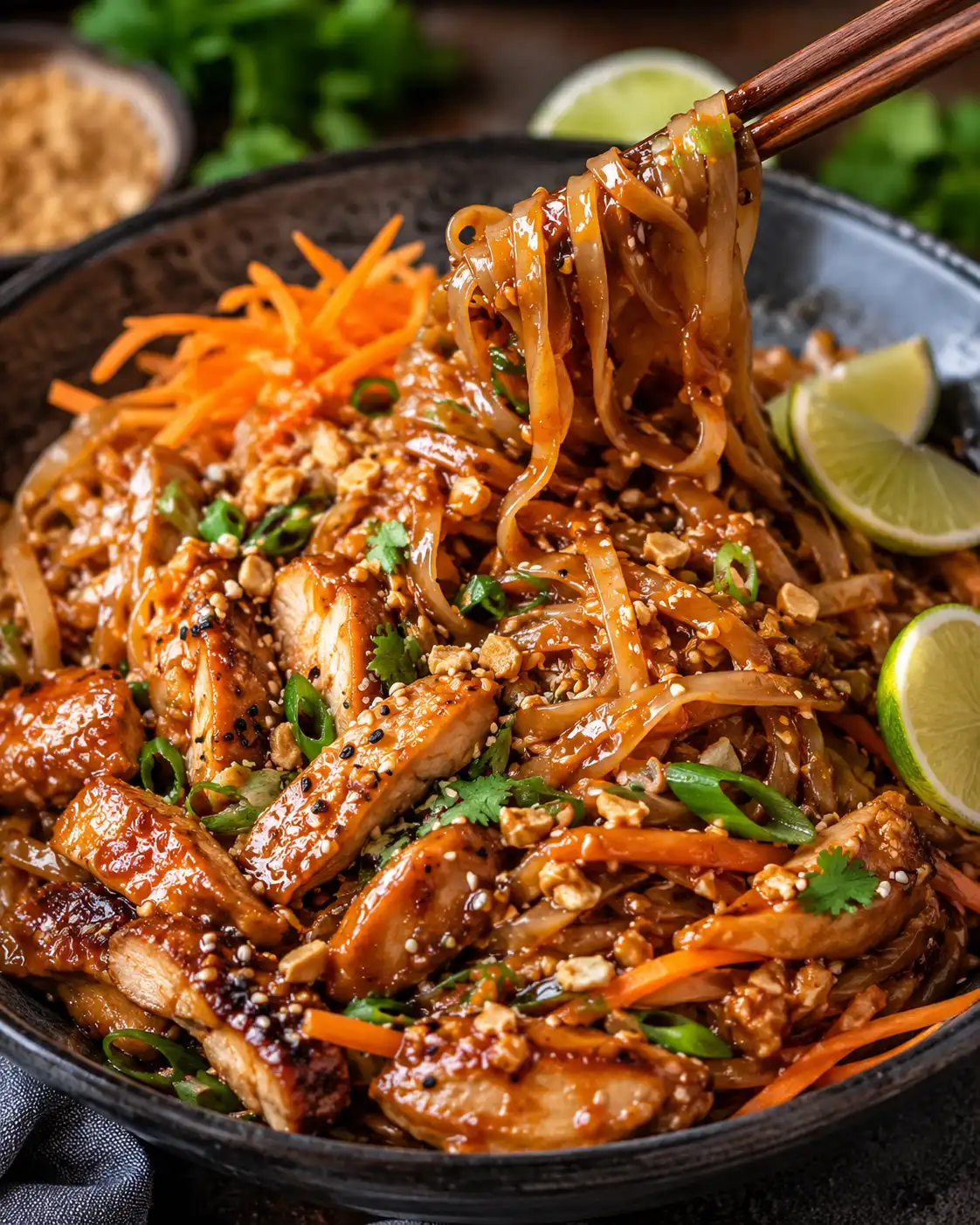
Quick Summary: A Pad Thai-inspired chicken noodle dinner made in one skillet with a thick, glossy peanut-soy sauce, rice noodles, and fresh vegetables ready in 30 minutes of active cooking time. Naturally dairy-free, easily gluten-free, and genuinely more flavorful than what arrives in a takeout box.
The first time I made this, I burned the garlic and turned the noodles into paste. The garlic went in too hot and turned bitter in under a minute, and I had soaked the noodles in boiling water instead of hot, so they were already fully soft before they hit the pan. The result was edible but not good. The second time, I slowed down by about thirty seconds in two specific spots and everything changed. That version is what this recipe is.
I usually make this on the nights when I want something that feels homemade but does not have the patience for it. One skillet, one sauce bowl, thirty minutes of real cooking. The peanut-soy sauce smells like a restaurant the moment it hits the warm pan nutty, slightly sweet, with that fermented edge from the fish sauce that you cannot quite name but immediately recognize. The chicken thighs come out juicy where breast meat would be dry, and the rice noodles absorb the sauce as they finish cooking rather than just sitting in it.
Table of Contents
Table of Contents
Quick Answer
These 30-Minute Saucy Chicken Noodles are a Pad Thai-inspired skillet dinner built around rice noodles, chicken thighs, and a bold peanut-soy sauce with sesame, ginger, and lime. Everything cooks in one pan in 30 minutes of active time. Naturally dairy-free, easy to make gluten-free, and works equally well as a fast weeknight dinner or a meal-prep lunch.
Why This Is Better Than Pad Thai Takeout
Most restaurant Pad Thai arrives with a sauce that was already absorbed during transport. This version is made fresh in the pan:
- Less oil : one tablespoon of olive oil, no deep-frying
- No refined sugar : coconut sugar gives a caramel depth white sugar cannot match
- Fresher vegetables : bell pepper, carrot, and bean sprouts cooked just enough to keep crunch
- Customizable heat : control the red pepper flakes yourself
- Gluten-free by default : rice noodles need no substitution
- Naturally dairy-free : no hidden cream or butter
- Ready in 30 minutes : faster than any delivery confirmation
What Are Rice Noodles (And Why They Work Here)
Rice noodles are made from rice flour and water no wheat, no gluten. They soften in hot water in 8 to 10 minutes, then finish cooking in the skillet where they absorb the sauce directly rather than sitting on top of it. That two-stage process is what makes them ideal here. Their neutral flavor also matters: the peanut butter, sesame oil, and fish sauce need a noodle that carries flavor rather than competes with it.
30-Minute Saucy Chicken Noodles (Better Than Pad Thai Takeout)

Ingredients
For the Noodles
- 14 oz Rice noodles (stir-fry or Pad Thai style)
- 1 lbs Chicken thighs (boneless skinless, cut into pieces)
- 1 tbsp Olive oil
- 1 cup Bean sprouts
- 1 Red bell pepper (thinly sliced)
- 1 cup Carrot matchsticks
- 3 cloves Garlic (mashed)
- 2 Eggs
- 1 cup Green onions (sliced)
- ½ cup Fresh cilantro
- 1 Lime (juiced)
- ½ tsp Crushed red pepper flakes
For the Sauce
- ½ cup Low-sodium soy sauce
- ¼ cup Creamy peanut butter
- 3 tbsp Fish sauce halal
- 3 tbsp Rice vinegar halal
- ⅓ cup Coconut sugar
- 2 tbsp Toasted sesame oil
- 1 tsp Ground ginger
For Garnish
- ⅓ cup Chopped peanuts
- 1 Lime wedges (for serving)
Instructions
- Make the sauce: Whisk together soy sauce, peanut butter, fish sauce, rice vinegar, coconut sugar, toasted sesame oil, and ground ginger in a bowl until smooth. Set aside. (Tip: If the peanut butter clumps, microwave for 20 seconds and whisk again).
- Soak the noodles: Place rice noodles in a large bowl and cover with hot (not boiling) water. Soak for 8 to 10 minutes check at 8. You want them pliable but still slightly firm in the center. Drain and rinse under cold water immediately. Set aside.
- Cook the chicken: Heat olive oil in a large skillet over medium-high heat. Add chicken thigh pieces and season with the 2 tbsp soy sauce. Cook 5 to 6 minutes, stirring occasionally, until golden on the outside and cooked through. Transfer to a plate.
- Cook the vegetables: In the same skillet, add garlic and cook 60 seconds until fragrant. Add bell pepper and carrot matchsticks. Stir-fry 2 to 3 minutes until slightly softened but still crunchy. Push everything to the sides of the pan.
- Scramble the eggs: Crack both eggs into the center of the skillet. Scramble gently with a spatula until just set about 60 seconds.
- Add noodles and sauce: Return the chicken to the skillet. Add the drained noodles and pour the peanut sauce over everything. Toss continuously for 2 to 3 minutes over medium heat until the noodles are fully coated and the sauce has thickened. Add half the green onions and bean sprouts and toss once more for 30 seconds.
- Finish and serve: Remove from heat. Squeeze lime juice over the pan and toss. Plate immediately, then top with remaining green onions, fresh cilantro, chopped peanuts, and extra lime wedges on the side.
Notes
- Noodle Tip: Don’t over-soak the noodles. Pull them from the water while they still have some firmness, as they will finish cooking and absorbing flavor directly in the sauce.
- Gluten-Free Version: Swap regular soy sauce for coconut aminos or certified tamari, and ensure your fish sauce is labeled GF.
- Storage: Store in an airtight container in the fridge for up to 3 days. Reheat in a skillet with 2 tablespoons of water or broth to loosen the sauce. (Do not freeze).
Quick Comparison: Rice Noodles vs Wheat Noodles
| Rice Noodles | Wheat Noodles (Lo Mein) | |
|---|---|---|
| Made from | Rice flour + water | Wheat flour + egg |
| Gluten-free | Yes | No |
| Texture | Silky, slightly chewy | Springy, dense |
| Sauce absorption | Absorbs while finishing in pan | Coats outside only |
| Cook method | Soak + finish in skillet | Boil separately |
| Dairy-free | Yes | Yes |
| Freezer-friendly | No | No |
What Makes This Recipe Work
The sauce is the whole dish. Peanut butter gives it body, soy sauce adds salt and that deep savory base, fish sauce brings a fermented edge you cannot quite identify but immediately notice when it is missing, and rice vinegar cuts through the richness before it turns heavy. When you pour it into the warm skillet, it should look glossy enough to coat the spatula and smell like something you would pay for.
Chicken thighs are non-negotiable here. They have enough fat to stay moist through a screaming-hot skillet without any special attention, and they hold their own against a sauce this bold. The scrambled egg step cracked directly into a corner of the pan before the noodles go in adds a richness that quietly changes the texture of every bite. It is easy to skip and worth not skipping.
🚨 Pro Tip: Don’t Soak the Noodles Too Long
The goal is pliable but still slightly firm in the center not fully cooked. Fully cooked noodles before the pan means soft, breaking noodles after. I pulled a batch two minutes too late once and spent the next ten minutes trying to separate a clumped, sticky mass. It is not recoverable.
Key tips for perfect rice noodles:
- Soak in hot, not boiling, water check at 8 minutes
- They should bend easily but still feel firm when you bite a strand
- Rinse under cold water immediately after draining
- Add to the skillet slightly underdone the sauce and heat finish them
- Toss constantly once they hit the pan still noodles clump within seconds
Can You Make This Without Fish Sauce?
Yes. These substitutes keep the sauce cohesive:
- Extra soy sauce or tamari use half the amount; adds salt without fishiness
- Vegan no-fish sauce closest substitute, available in most Asian grocery stores
- Coconut aminos + a pinch of dried seaweed flakes replicates the oceanic umami note
The peanut butter and sesame oil carry enough weight that the dish will not fall flat without fish sauce, though you will notice the depth is slightly different.
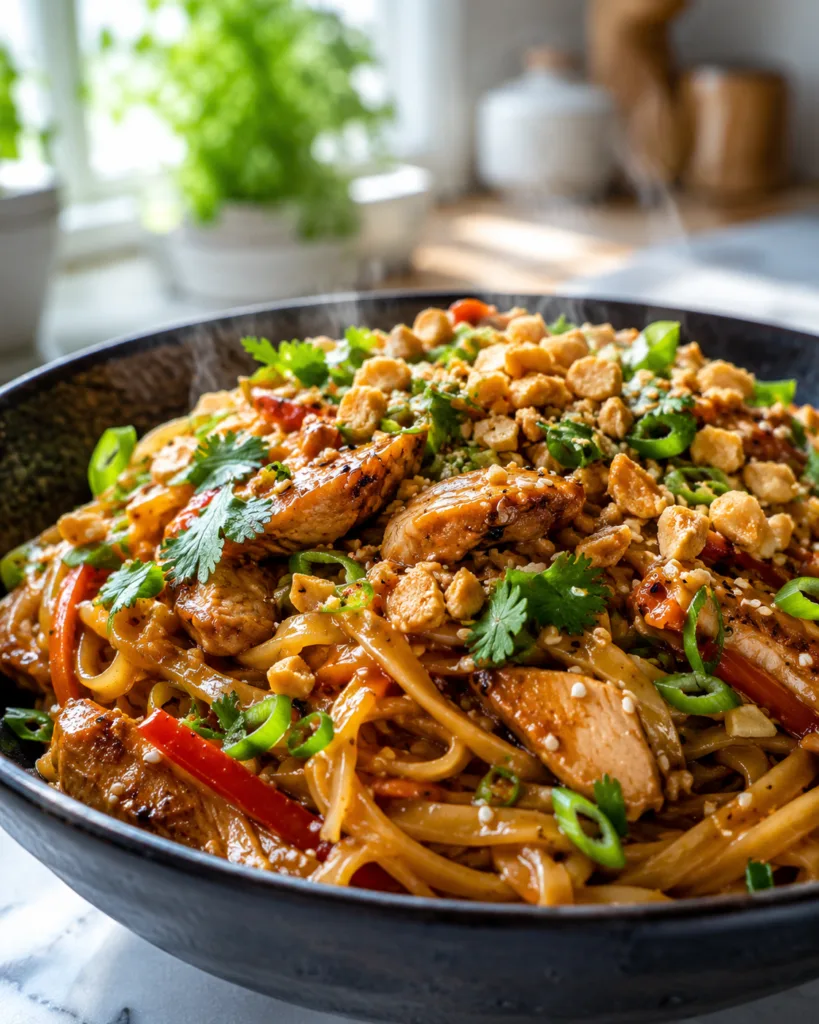
Ingredients You’ll Need
For the Noodles:
- Rice noodles (14 oz, Pad Thai style) : neutral base that absorbs sauce as it finishes
- Chicken thighs (1 lb, boneless skinless) : juicier and more forgiving than breast in a hot pan
- Olive oil (1 tbsp) : enough to sear without making the dish heavy
- Low-sodium soy sauce (2 tbsp) : seasons the chicken before the sauce goes in
- Bean sprouts (1 cup) : added at the very end; they wilt in under a minute
- Red bell pepper (1, thinly sliced) : sweet, bright, good color contrast
- Carrot matchsticks (1 cup) : firmer texture that holds up through the toss
- Garlic (3 cloves, mashed) : mashed integrates more evenly and will not burn as fast
- Eggs (2) : scrambled in the pan; binds the sauce to the noodles
- Green onions (1 cup) : half during cooking, half raw on top
- Fresh cilantro (½ cup) : finishing herb only; goes on top, never in the pan
- Lime (1, juiced) : cuts through the peanut richness at the very end
- Crushed red pepper flakes (½ tsp) : steady background heat
For the Sauce:
- Low-sodium soy sauce (½ cup)
- Creamy peanut butter (¼ cup)
- Fish sauce (3 tbsp)
- Rice vinegar (3 tbsp)
- Coconut sugar (⅓ cup)
- Toasted sesame oil (2 tbsp) : goes into the sauce cold, not into a hot pan
- Ground ginger (1 tsp)
For Garnish:
- Chopped peanuts (⅓ cup) : crunch and salt contrast on top
- Lime wedges : for squeezing at the table
Ingredient Swaps
| Original | Swap | Notes |
|---|---|---|
| Soy sauce | Coconut aminos or tamari | Fully gluten-free; coconut aminos slightly sweeter |
| Fish sauce | Vegan no-fish sauce | Keeps it vegetarian |
| Chicken thighs | Crispy tofu or shrimp | Tofu: press first; shrimp: last 3 minutes only |
| Rice noodles | Glass noodles (sweet potato) | Chewier texture, also gluten-free |
| Peanut butter | Almond or sunflower seed butter | For nut allergies |
| Coconut sugar | Brown sugar | Direct swap |
| Fresh cilantro | Fresh basil or flat-leaf parsley | For cilantro-averse cooks |
| Eggs | Scrambled tofu | For fully vegan version |
How to Make It
1. Make the sauce.
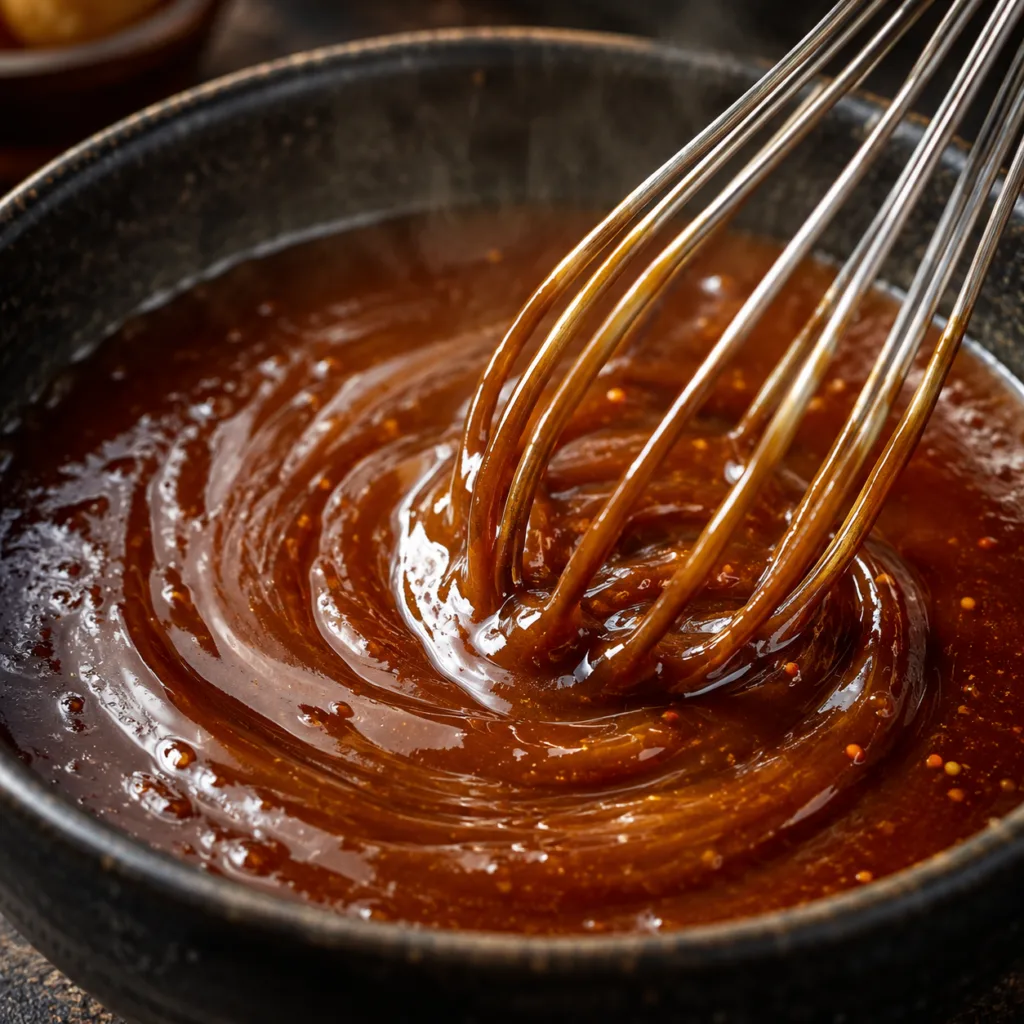
Whisk soy sauce, peanut butter, fish sauce, rice vinegar, coconut sugar, sesame oil, and ginger together until completely smooth. If the peanut butter resists, microwave for 20 seconds and whisk again. The sauce should pour easily and coat the back of a spoon thick but fluid. Make this before anything goes on heat. You will not have time to measure mid-cook.
2. Soak the noodles.
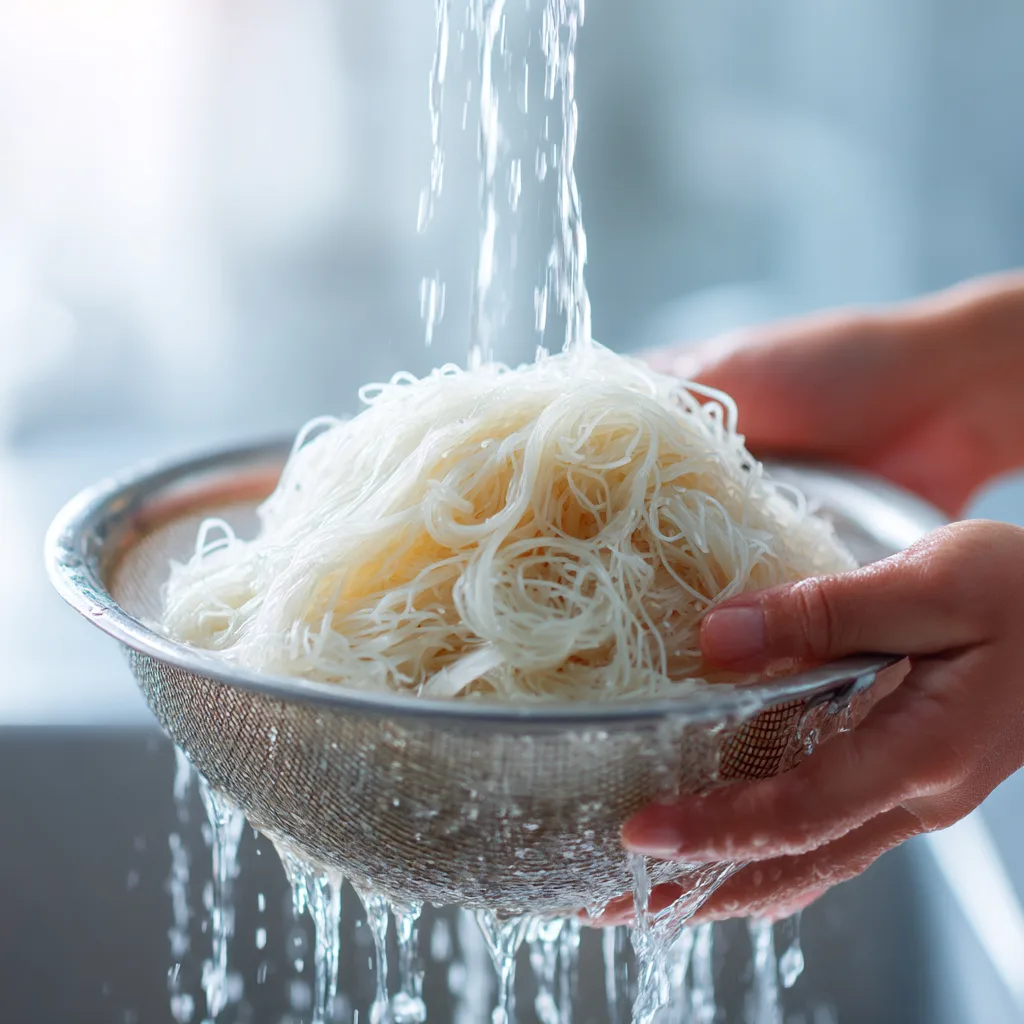
Place rice noodles in a large bowl and cover with hot, not boiling, water. Check at 8 minutes. You want them to bend easily but still feel firm when bitten. Drain and rinse under cold water immediately. The cold water stops the cooking and keeps them from clumping while you finish everything else.
3. Sear the chicken.
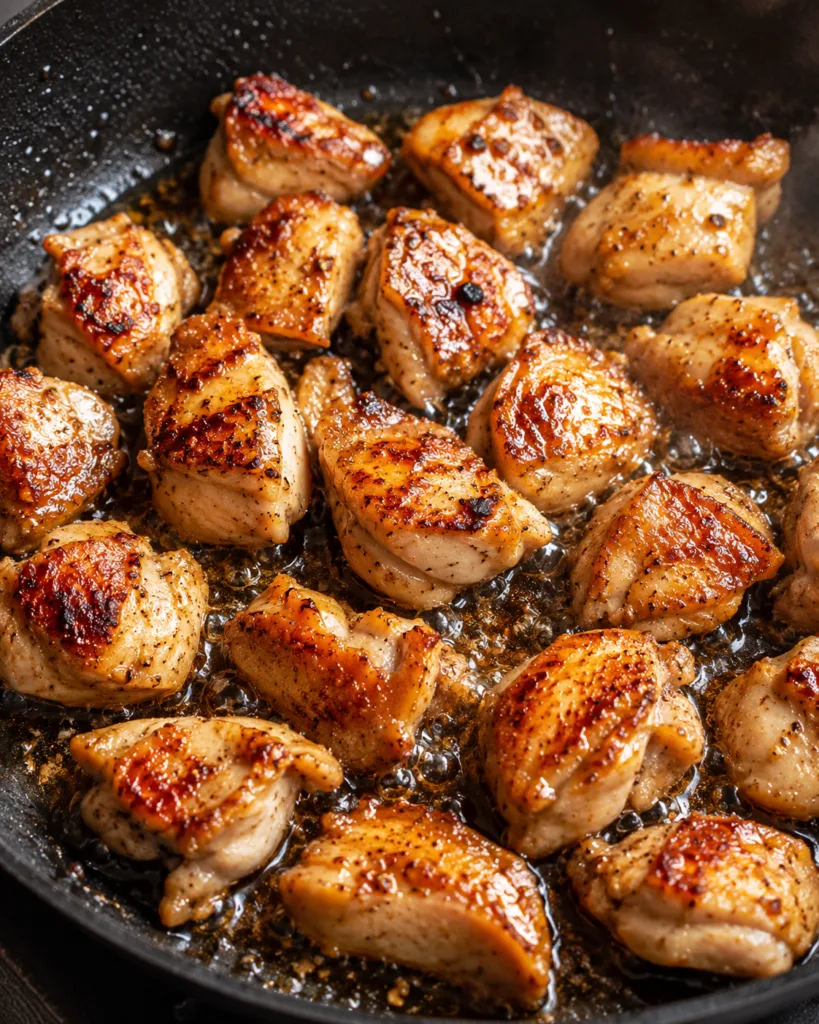
Heat olive oil in a large skillet over medium-high until shimmering. Add chicken thigh pieces and season with the 2 tablespoons of soy sauce. You should hear a strong sizzle the moment chicken hits the pan if you do not, the oil is not hot enough. Cook 5 to 6 minutes, stirring occasionally, until deeply golden on the outside and cooked through. Do not crowd the pan. Transfer to a plate.
4. Cook the vegetables.
In the same skillet, add mashed garlic. It should sizzle immediately. Cook 60 seconds just until you smell it bloom, not until it colors. Add bell pepper and carrot matchsticks. Stir-fry 2 to 3 minutes. They should soften slightly at the edges while keeping a bite in the center. Push everything to the sides.
5. Scramble the eggs.
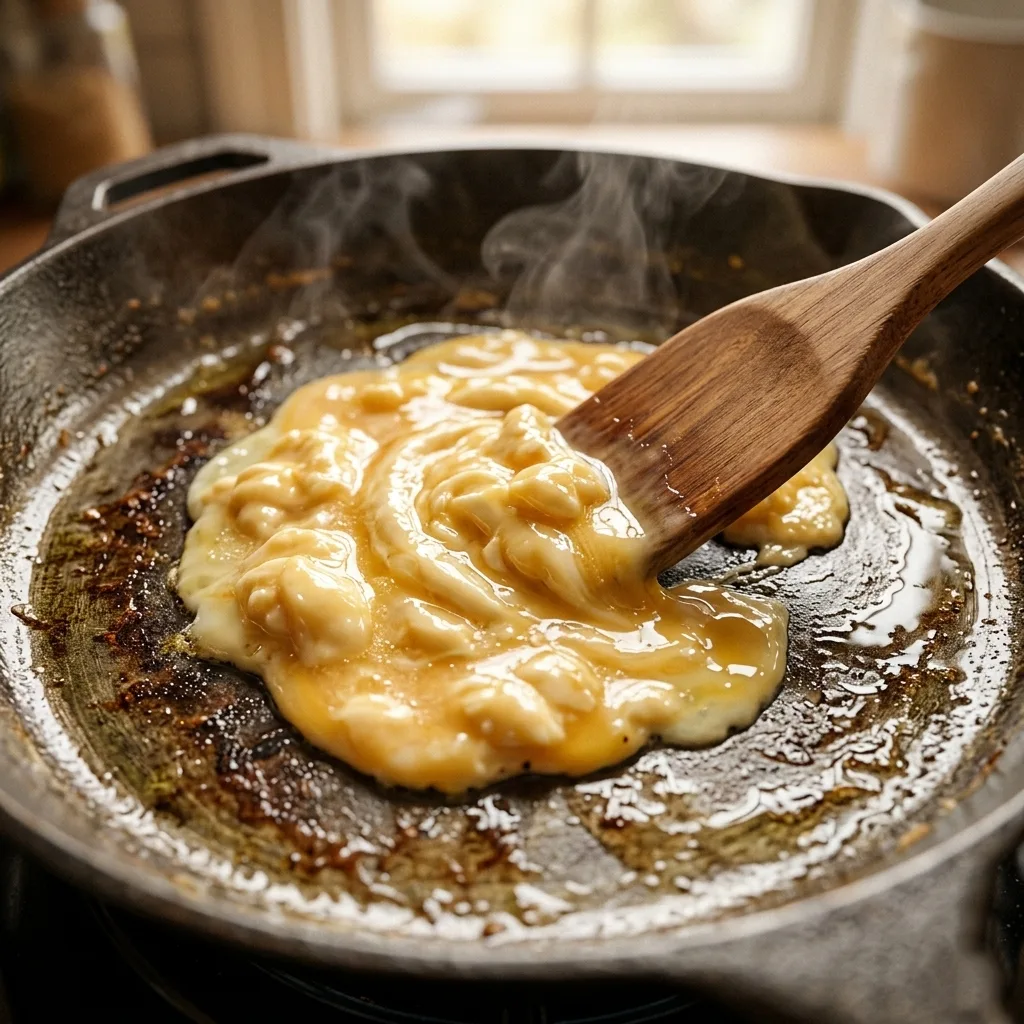
Crack both eggs into the center of the pan. Scramble gently until just set about 60 seconds. Pull them before they look done. They finish with the noodles.
6. Add noodles and sauce.
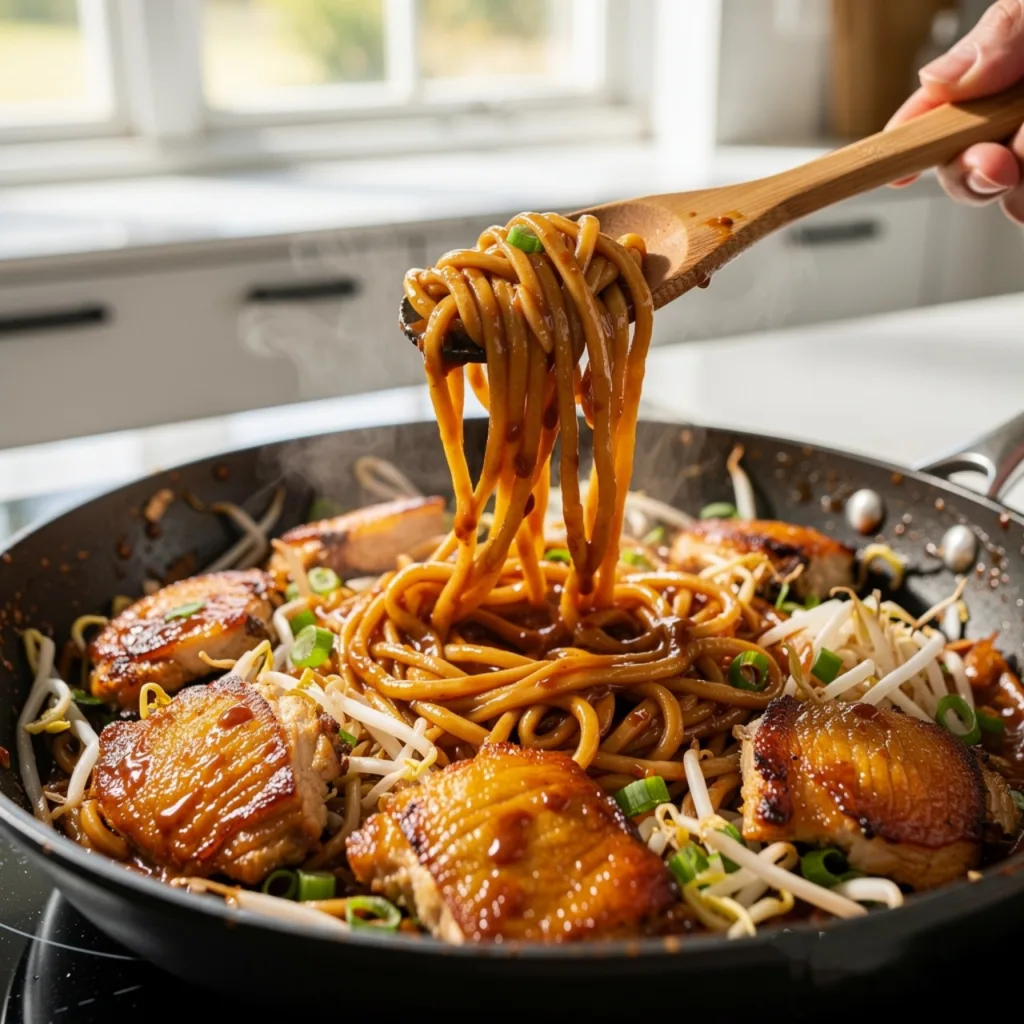
Return the chicken to the pan. Add the drained noodles and pour the sauce over everything. Toss continuously for 2 to 3 minutes. Watch the sauce as it heats it will go from loose to glossy and clinging within about 90 seconds. Add half the green onions and all the bean sprouts. Toss once more for 30 seconds. The sprouts should stay crisp with just enough warmth.
7. Finish and serve.
Pull the pan off heat. Squeeze lime over everything and toss once. Plate immediately the noodles keep absorbing sauce as they sit, so do not let them rest in the pan. Top with remaining green onions, fresh cilantro, chopped peanuts, and lime wedges on the side.
Best Tips
- Make the sauce first once the skillet is hot, there is no time to measure anything
- Listen for the sizzle chicken and garlic should both sizzle immediately when they hit the pan; if they do not, the heat is too low
- Use chicken thighs the fat keeps them moist even when the skillet runs hotter than expected
- Add bean sprouts last 30 seconds of heat is the maximum before they lose their crunch
- Taste the sauce before it goes in adjust with a splash of rice vinegar if it needs brightness, a few drops of soy sauce if it needs salt
- Serve immediately rice noodles continue absorbing sauce in the pan; plate and eat right away
Common Mistakes
Overcrowding the chicken.
Pieces too close together trap steam and stay pale. Pale chicken means a flat-tasting sauce. Give them space, let them get color, and the whole dish tastes better.
Fully soaking the noodles.
Completely soft noodles before the pan means paste after. Pull them while they still have some resistance.
Adding all the herbs during cooking.
Cilantro goes on top, raw, at the very end. Wilted cilantro buried in hot noodles tastes like nothing. Raw cilantro on a finished bowl tastes like the dish is fresh.
Skipping the lime.
The lime is not garnish. It cuts through the peanut butter’s richness and sharpens every other flavor in the bowl. The dish tastes one-dimensional without it.
How to Store It
Refrigerate in an airtight container for up to 3 days. The noodles absorb more sauce as they sit leftovers are denser than fresh but honestly still good. Reheat in a skillet over medium-low with 2 tablespoons of water or broth to loosen. Add raw cilantro and a fresh squeeze of lime after reheating, not before.
Meal prep: The peanut sauce keeps on its own in the refrigerator for up to 4 days. Make it ahead and the active cook time drops to under 20 minutes.
This dish does not freeze well rice noodles turn soft and lose their texture after thawing.
Serving Ideas
- In a bowl with extra lime, chopped peanuts, and a drizzle of chili oil on top
- With sliced cucumbers tossed in rice vinegar and sesame seeds the cool crunch cuts through the warm richness in a way that keeps you going back for more
- With a soft-boiled egg on top in addition to the scrambled egg already in the dish
- As a meal-prep lunch portion before garnishing; add cilantro and lime right before eating
- With crispy pressed tofu instead of chicken for a fully plant-based version
Common Questions About Cooking Rice Noodles
Do rice noodles need to be boiled?
No. Soak in hot, not boiling, water for 8 to 10 minutes, drain, rinse with cold water, then finish in the skillet. Boiling over-softens them before they ever hit the pan.
Can I use a different noodle?
Yes. Glass noodles stay chewier. Lo mein works but contains gluten. 100% buckwheat soba is a good gluten-free alternative with a nuttier flavor.
Is this recipe gluten-free?
Rice noodles are naturally gluten-free. Swap soy sauce for coconut aminos or certified tamari, and confirm your fish sauce is GF-labeled.
Can I make this ahead?
Make the sauce up to 4 days ahead. Prep the chicken and vegetables a day in advance if needed. Combine everything in the skillet fresh when ready to serve.
Can I make this vegetarian or vegan?
Yes. Crispy pressed tofu for the chicken, vegan no-fish sauce for the fish sauce, scrambled tofu or omit the eggs entirely.
More Recipes You’ll Love
- Mongolian Beef Glass Noodles : richer sauce, sweet potato glass noodles, same weeknight energy
- Chili Oil Noodles : ten minutes, four ingredients, one of the most satisfying bowls you can make
- Are Rice Noodles Gluten Free? : What You Need to Know Before Buying
If you try this recipe, please leave a comment and rating below to let me know how it turned out! To catch more delicious recipes and exclusive behind-the-scenes content, join me on Facebook, I’m also sharing fresh inspiration on Pinterest now, so head over there to see what’s cooking!
2 thoughts on “30 Minute Saucy Chicken Noodles Recipe (Better Than Pad Thai Takeout)”