
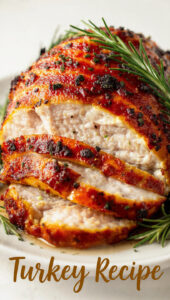
Creating the perfect Thanksgiving turkey recipe is all about the details. A juicy turkey can be the star of your holiday meal, making everyone excited. Whether you’re looking for the best or an easy turkey recipe, it starts with preparation, choosing the right turkey, and cooking it right.
With the right steps, you’ll impress your guests with a beautifully roasted turkey. For a special touch, try this Creole Butter Turkey Breast recipe alongside your classic turkey.
Table of Contents
- A succulent turkey is the highlight of any Thanksgiving feast.
- Preparation and selection are key for a tasty turkey recipe.
- Knowing how to cook will make your turkey the best it can be.
- Trying new recipes can add a unique flavor to your turkey.
- Follow easy turkey recipe steps for a stress-free cooking day.
Introduction to the Perfect Thanksgiving Turkey Recipe
Thanksgiving is a time for family and friends to come together. The turkey is often the star of the show. A great turkey recipe combines tradition and creativity, making it special to you while honoring old ways.
The heart of a traditional turkey recipe is in the methods passed down through generations. These methods aim for a moist, flavorful bird. By choosing the right techniques, you can make your meal unforgettable for your guests. You can also add your own twist with different ingredients and flavors, while keeping the basics that ensure success.
When you make the perfect Thanksgiving turkey, you’re doing more than just feeding people. You’re creating a dish that brings everyone together. It’s about making memories and strengthening bonds. With the right approach, your turkey recipe will become a beloved part of your holiday traditions for years to come.
| Key Elements | Importance |
|---|---|
| Flavor | Enhances the overall meal experience. |
| Moisture | Prevents a dry turkey, ensuring enjoyment in every bite. |
| Presentation | Creates an eye-catching centerpiece for your feast. |
| Tradition | Connects family and friends through storytelling and shared memories. |
Choosing the Best Turkey for Your Feast
Choosing the right turkey is key to a tasty homemade turkey recipe. Think about how big the turkey needs to be for your guests. A small family might need a 10 to 12 pound turkey. For bigger groups, you might want a turkey over 20 pounds.
It’s also important to pick the right type of turkey. You can choose from heritage, organic, or conventional turkeys. Heritage turkeys are known for their rich flavor and are often raised on pasture. Organic turkeys are raised without antibiotics and hormones. Conventional turkeys are cheaper but might not taste as good as the others.
Buying from local farms can make your turkey even better. Local turkeys are usually fresher, which means they taste better and are juicier. This is key for a memorable feast.
Consider using brining or injecting flavors into your turkey. Injecting flavor can turn a simple turkey into a showstopper. The right turkey can make your meal unforgettable.
| Type of Turkey | Flavor Profile | Price Range | Availability |
|---|---|---|---|
| Heritage | Rich, gamey | $$$ | Seasonal |
| Organic | Cleaner, mild | $$ | Year-round |
| Conventional | Standard, mild | $ | Year-round |
Essential Ingredients for a Delicious Turkey Recipe
Choosing the right ingredients is key to a tasty turkey. Knowing the difference between fresh and frozen turkey matters. Also, picking the right herbs and spices can make your roasted turkey recipe stand out.
Fresh vs. Frozen Turkey
Deciding between fresh and frozen turkey can change your cooking experience. Here are the main points to think about:
| Factor | Fresh Turkey | Frozen Turkey |
|---|---|---|
| Cost | Generally more expensive | Typically budget-friendly |
| Availability | Available seasonally | Readily available all year |
| Flavor | Richer, more robust | Can lose some flavor during freezing |
| Thawing Time | No thawing required | Requires planning for safe thawing |
Herbs and Spices for Flavor
The right mix of herbs and spices can make your turkey delicious. Here are some popular choices:
- Rosemary: Provides a warm, aromatic flavor.
- Sage: An essential herb that complements turkey beautifully.
- Thyme: Adds a subtle earthiness that balances other flavors.
- Paprika: Offers a mild sweetness and vibrant color.
- Garlic powder: Enhances the savory aspects of your dish.
Preparing Your Turkey: Step-by-Step Guide
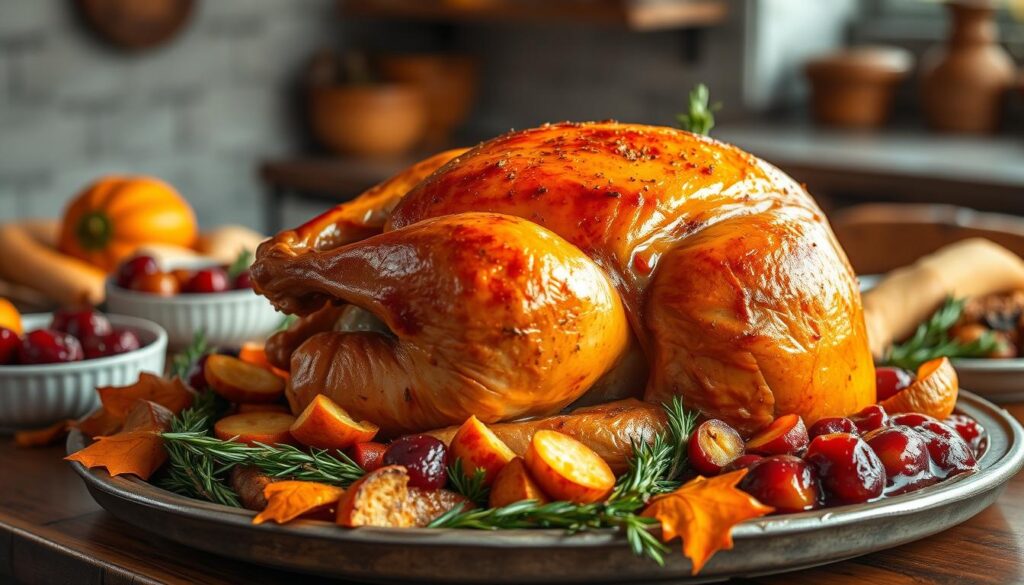
Getting your turkey ready is key to a juicy and tasty bird. Follow these steps for a Thanksgiving turkey that will impress everyone. Start with thawing right and learn about brining for extra flavor and moisture.
Thawing Your Turkey Properly
Thawing your turkey safely is important for food safety and great cooking. The best way is to thaw it in the fridge, keeping it at a safe temperature. Here’s a guide on thawing times:
| Turkey Weight | Thawing Time (Refrigerator) |
|---|---|
| 4 to 12 pounds | 1 to 3 days |
| 12 to 16 pounds | 3 to 4 days |
| 16 to 20 pounds | 4 to 5 days |
| 20 to 24 pounds | 5 to 6 days |
Keep the turkey in its original packaging. Place it on a tray to catch any drips. This stops cross-contamination with other foods.
Brining Techniques for Moisture and Flavor
Brining your turkey makes it moist and flavorful. Here’s a simple brining method:
- Mix water, salt, and sugar in a large container.
- Add herbs and spices, like rosemary, thyme, and garlic.
- Submerge the thawed turkey in the brine solution, covering it all.
- Refrigerate for 12 to 24 hours, depending on the turkey size.
This easy turkey recipe will make your Thanksgiving turkey unforgettable. Remember to rinse the turkey after brining and pat it dry before cooking.
Roasted Turkey Recipe: The Cooking Process
Learning how to cook a turkey can make it the star of your meal. A golden-brown outside and juicy inside are possible with the right oven settings. Knowing these basics is key to a great turkey.
Oven Temperature and Cooking Time
The oven temperature is important for even cooking. Roast at 325°F (163°C). The cooking time depends on the turkey’s weight. Here’s a guide to help you plan:
| Turkey Weight (lbs) | Cooking Time (Unstuffed) | Cooking Time (Stuffed) |
|---|---|---|
| 8 to 12 | 2.75 to 3 hours | 3 to 3.5 hours |
| 12 to 14 | 3 to 3.75 hours | 3.5 to 4 hours |
| 14 to 18 | 3.75 to 4.25 hours | 4 to 4.25 hours |
| 18 to 20 | 4.25 to 4.5 hours | 4.25 to 4.75 hours |
| 20 to 24 | 4.5 to 5 hours | 4.75 to 5.25 hours |
How to Baste for a Succulent Finish
Basting is key for moist and tasty meat. Use the turkey’s juices or a baste, basting every 30 to 45 minutes. This keeps the meat moist and flavorful. But, remember, opening the oven door often can drop the temperature.
Traditional Turkey Recipe Variations
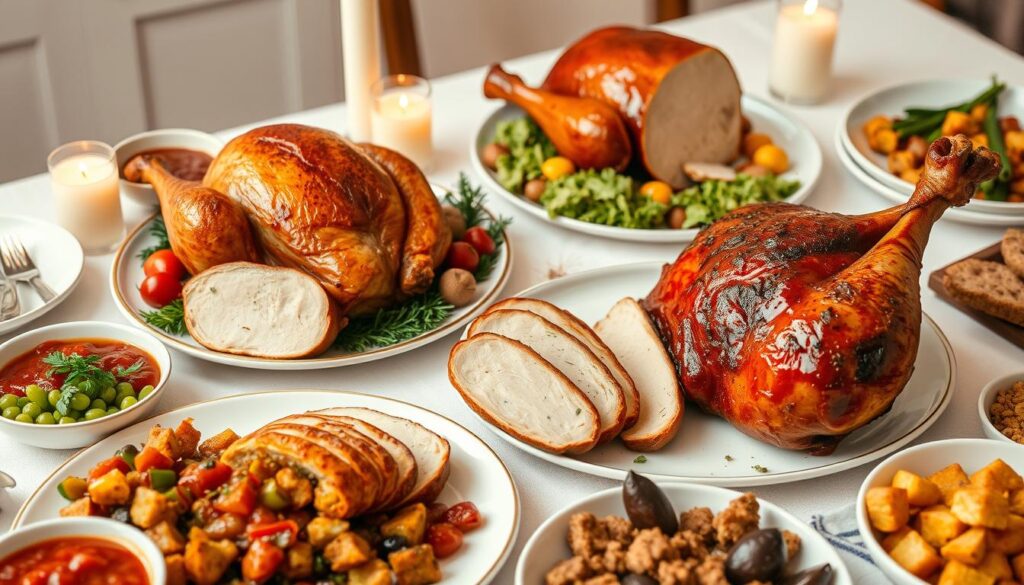
When making the best turkey recipe, think about the different ways to make it special. You can choose between stuffed and unstuffed turkeys. Each style brings its own taste and texture, making your turkey the highlight of the meal. You can show off your cooking skills by picking the one that suits you best.
Stuffed vs. Unstuffed Turkey
A stuffed turkey adds yummy flavors and keeps the meat moist. The stuffing soaks up the juices from the turkey. On the other hand, an unstuffed turkey has a crispy outside and juicy inside. It’s also easier to cook and can save you time.
Here’s a quick comparison:
| Feature | Stuffed Turkey | Unstuffed Turkey |
|---|---|---|
| Cooking Time | Longer | Shorter |
| Flavor | Enhanced by stuffing | Pure turkey flavor |
| Moisture | Higher, due to stuffing | Depends on basting |
| Complexity | Higher | Lower |
Regional Flavor Profiles to Consider
Regional flavors can make your turkey recipe even more delicious. For example, Southern-style turkeys might have cornbread stuffing or spicy spice blends. New England turkeys might have savory herb stuffings like thyme and sage.
Using these flavors can make your turkey more than just a meal. It becomes a way to share your heritage and traditions.
Serving Suggestions to Complement Your Turkey
After making your homemade turkey, think about what to serve with it. A good Thanksgiving plate has different tastes and textures. This makes the meal unforgettable for your guests.
Side Dishes for a Perfect Thanksgiving Plate
Side dishes are key to making your turkey meal better. Here are some classic choices:
- Stuffing: A mix of bread, herbs, and spices that goes well with turkey.
- Mashed Potatoes: These creamy potatoes are a Thanksgiving favorite.
- Cranberry Sauce: Its tartness is a nice contrast to the turkey’s richness.
- Green Bean Casserole: Green beans, mushrooms, and crispy onions add flavor and texture.
- Roasted Vegetables: Seasonal veggies roasted with olive oil and herbs are colorful and healthy.
Pairing Sauces and Gravies
Your turkey needs a sauce that matches its taste. Here are some great options:
- Turkey Gravy: Gravy made from turkey drippings adds richness to the meal.
- Garlic Herb Butter: Melted garlic herb butter on turkey adds flavor and richness.
- Sweet and Tangy Cranberry Glaze: This glaze makes the turkey’s savory taste even better.
Pairing these side dishes and sauces with your turkey makes a wonderful Thanksgiving feast. A variety of flavors and thoughtful presentation ensure everyone leaves happy.
Easy Turkey Recipe Tips for Beginners
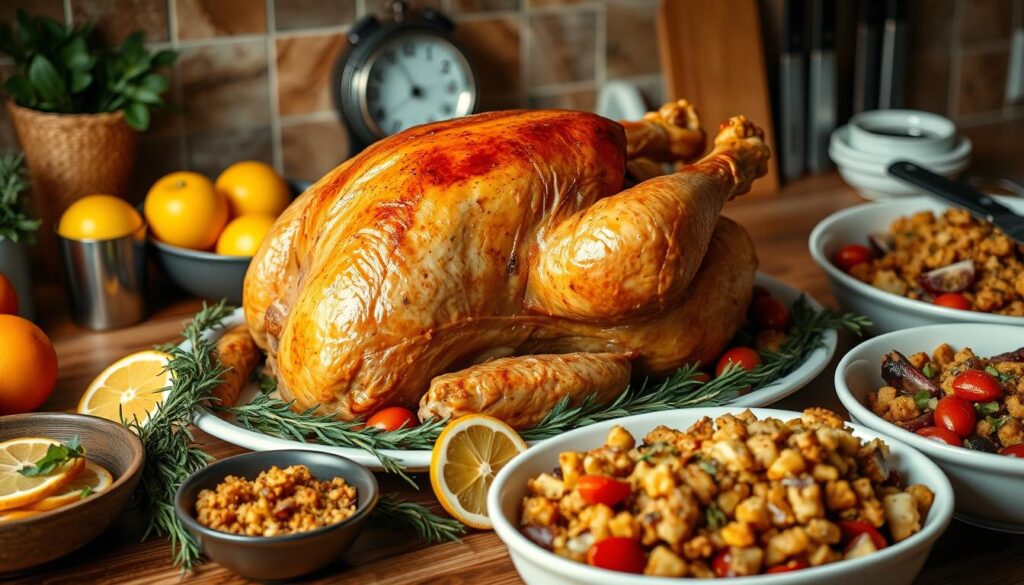
Starting to cook an easy turkey recipe can feel scary, even for beginners. Here, you’ll find key tips to help you avoid common mistakes. This will make sure your Thanksgiving turkey is a hit. Knowing your tools and the cooking process will boost your skills and confidence.
Common Mistakes to Avoid
- Undercooking: Always check the turkey’s internal temperature. It should be 165°F in the thickest part of the breast and thigh.
- Forgetting to Baste: Basting keeps the meat moist and adds flavor. Use a timer to remember.
- Skipping the Resting Phase: Letting the turkey rest for at least 20 minutes before carving keeps its juices in.
Tools and Equipment You’ll Need
| Tool | Purpose |
|---|---|
| Roasting Pan | To hold the turkey while it cooks, allowing proper heat circulation. |
| Meat Thermometer | To accurately measure the internal temperature for safe cooking. |
| Basting Brush | For applying pan juices or flavored liquids onto the turkey. |
| Carving Knife | To slice the turkey efficiently and evenly after cooking. |
Storing Leftover Turkey: Best Practices
After enjoying a delicious turkey recipe, you might have leftovers. It’s important to store them right to keep their taste and quality. By following the best ways to refrigerate and finding creative uses, you can make your meals more exciting.
How to Properly Refrigerate Turkey
To keep your leftover turkey fresh, follow these steps:
- Let the turkey cool down at room temperature for no more than two hours.
- Wrap the turkey tightly in aluminum foil or plastic wrap. Or use an airtight container.
- Put the wrapped turkey in the fridge. Try to eat leftovers within three to four days for the best taste.
Creative Ways to Use Leftovers
Leftover turkey can make your meals better. Here are some ideas:
- Turkey Sandwiches: Put turkey slices with cheese and your favorite sauce.
- Turkey Soup: Mix shredded turkey with broth, veggies, and noodles for a warm meal.
- Casseroles: Make a big turkey casserole with turkey, veggies, and creamy sauce.
By using these storage tips and getting creative with leftover turkey, you can enjoy your easy turkey recipe even longer.
Conclusion
Making the perfect turkey recipe is a mix of art and science. It’s all about preparation, choosing the right turkey, and cooking it well. The right turkey recipe can make your feast a hit. Whether you pick a fresh turkey or try a classic recipe, quality is key.
Learning how to thaw, brine, and roast your turkey is important. It ensures your turkey is juicy and full of flavor. This makes it a hit with your guests.
Exploring turkey recipes means trying new things. Add your favorite herbs and spices, and get creative with how you present it. The taste and look of your turkey will make your gatherings unforgettable.
It’s not just about the food, but the memories you make. From the first bite to deep conversations, good food brings people together. So, as you cook more turkeys, remember to focus on the experience.
FAQ
What is the best way to prepare a turkey for Thanksgiving?
Start with a high-quality turkey, fresh or frozen. Make sure it’s thawed properly. Brine it for extra moisture. Use herbs and spices to boost flavor.
Follow a trusted roasting recipe for the best taste.
How long does it take to cook a turkey?
Cooking time varies by turkey weight. Plan for 13 minutes per pound at 325°F. Always check with a meat thermometer. It should hit 165°F in the breast.
Should I stuff the turkey or cook the stuffing separately?
You can stuff or unstuff the turkey. But cooking stuffing outside is safer. Stuffing adds flavor but needs careful cooking to be safe.
What are some easy turkey recipe tips for beginners?
Plan ahead and thaw the turkey right. Avoid undercooking. Use a roasting pan and meat thermometer for success.
Start with an easy recipe to make it simpler.
How should I store leftover turkey after Thanksgiving?
Refrigerate leftovers within two hours. Slice the turkey to cool faster. Use airtight containers to keep it fresh.
Leftovers are great for sandwiches and soups.
What are some traditional turkey recipe variations I can try?
Try different stuffing or regional flavors like Cajun or apple and walnut. Experiment with cooking methods like smoking or deep-frying.
This adds unique tastes to your feast.
How can I ensure my turkey is flavorful and not dry?
Brine the turkey for deep flavor and moisture. Baste it regularly while cooking. Avoid overcooking to keep it succulent.