
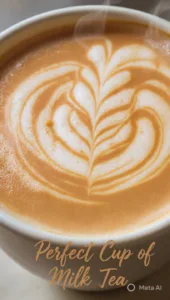
Welcome to the world of milk tea, where you can discover its rich heritage and cultural significance. Milk tea has become a staple in many cultures. Its modern version, bubble tea, has taken the world by storm. As you start your milk tea journey, you’ll learn about the essential ingredients, tea bases, and techniques to make the perfect cup.
With the rise of bubble tea, milk tea has become more accessible and enjoyable than ever. You can now enjoy a variety of flavors and toppings, making each cup unique. Whether you love traditional milk tea or prefer the modern twist of bubble tea, this guide will help you create your perfect cup.
As you explore the world of milk tea, you’ll learn about different tea bases, milk options, and flavor combinations. From black tea to green tea, and from traditional milk to non-dairy alternatives, the possibilities are endless. With this guide, you’ll be well on your way to becoming a milk tea connoisseur and enjoying the perfect cup of milk tea or bubble tea every time.
Table of Contents
- You’ll learn about the rich heritage and cultural significance of milk tea
- Discover the essential ingredients and tea bases for creating the perfect cup of milk tea
- Explore the world of bubble tea and its modern variations
- Learn about different milk options and flavor combinations to elevate your milk tea experience
- Become a milk tea connoisseur and enjoy the perfect cup of milk tea or bubble tea every time
- Get inspired to try new flavors and toppings to make your milk tea experience unique
The Rich Heritage of Milk Tea Around the World
Milk tea has a long history that spans many cultures and continents. As you explore milk tea, you’ll find a rich cultural significance. It has evolved from traditional tea-making to a global phenomenon. Understanding its origins and cultural significance is key.
When learning how to make boba tea, it’s important to know its cultural roots. Milk tea has been a staple in many Asian cultures for centuries. Each country has added its own twist to the traditional recipe. As you make your perfect cup of milk tea, you’ll learn about various techniques and ingredients passed down through generations.
- Origins: Milk tea started in ancient China, where tea was first used as a medicinal drink.
- Cultural significance: Milk tea became a big part of Asian cultures. Each country developed its own tea-making techniques and traditions.
- Evolution: Milk tea turned into modern bubble tea with tapioca pearls and other toppings.
Exploring milk tea reveals a rich heritage that’s both fascinating and delicious. By understanding its cultural significance and evolution, you’ll appreciate the art of how to make boba tea. You can then create your own unique recipes.
Essential Ingredients for Perfect Milk Tea
To make a tasty bubble tea recipe, start with the best ingredients. High-quality tea leaves are key for a great cup of milk tea. You can pick from black, green, or oolong tea. Each type offers unique flavors and health benefits, so choose what you like best.
For milk, you have many choices. You can use whole milk, skim milk, or non-dairy options like almond or soy milk. The milk you pick will change how your tea tastes and feels. Whole milk is often the top choice for a classic bubble tea recipe.
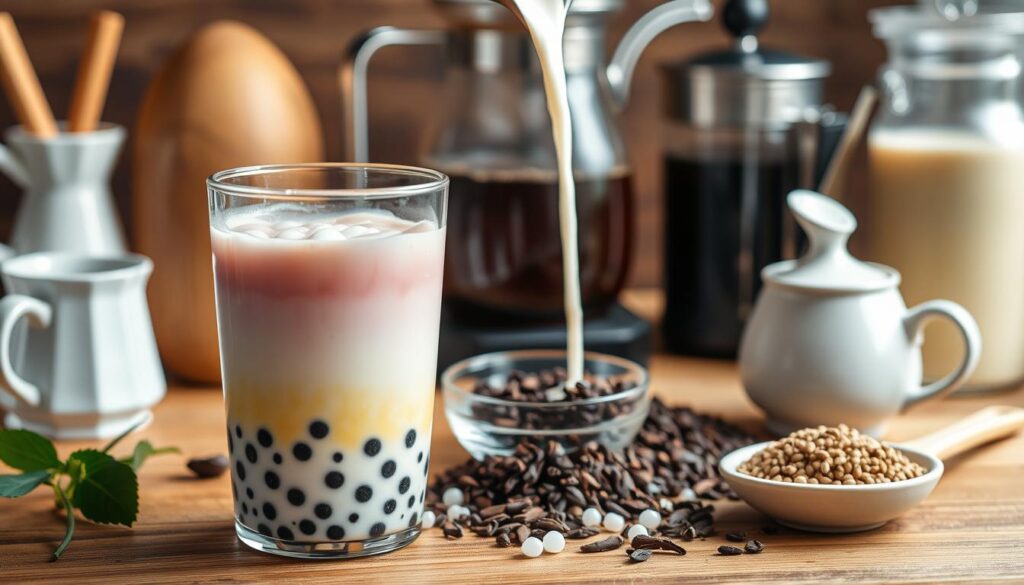
You’ll also need a sweetener to balance your milk tea’s flavor. Sugar, honey, or alternatives like stevia or agave nectar work well. The goal is to find the perfect mix of sweet and flavor for a refreshing bubble tea recipe.
Some great ingredients for your bubble tea recipe include:
- Tea leaves: black, green, or oolong tea
- Milk: whole milk, skim milk, or non-dairy alternatives
- Sweetener: sugar, honey, or other sweeteners like stevia or agave nectar
Choosing Your Tea Base: Types and Characteristics
Choosing the right tea base is key to making great boba milk tea at home. There are many options, making it hard to pick the best one. Think about the flavor, benefits, and taste of each tea base.
Tea bases come in black, green, and oolong. Black tea is bold, green tea is light, and oolong is a mix. Each has its own taste and health perks.
Black Tea Varieties
Black tea is a top pick for boba milk tea. Favorites include Earl Grey, English Breakfast, and Darjeeling. These teas have a strong flavor that goes well with milk and sugar.
Green Tea Options
Green tea is also a great choice. Sencha, Dragonwell, and Matcha are popular picks. They offer a light, refreshing taste that’s perfect for those who like a milder flavor.
Oolong and Other Alternatives
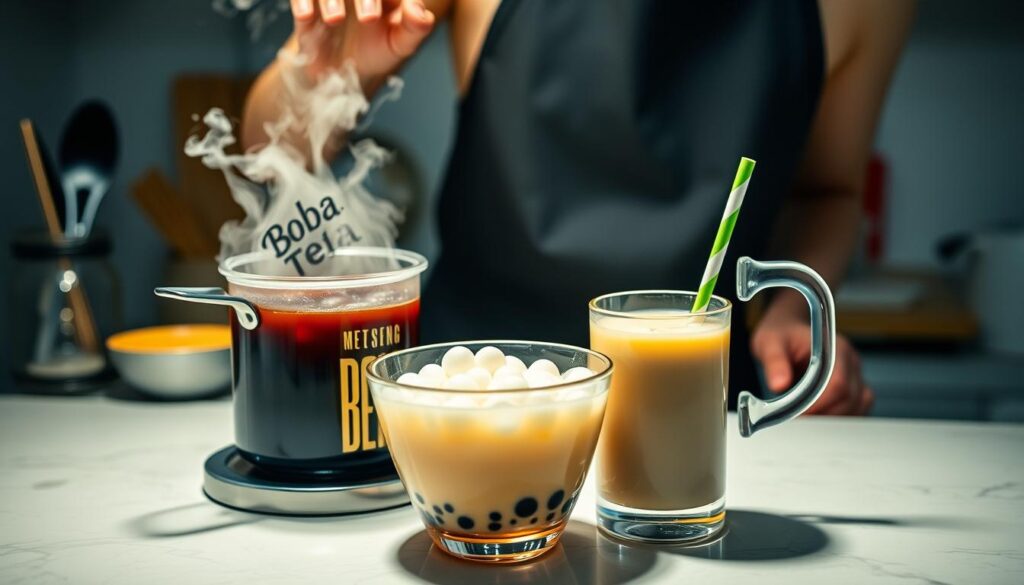
Oolong tea is a special blend that’s partially fermented. Other options include white, yellow, and herbal teas. These offer a variety of tastes, from floral to fruity.
Choosing the right tea base lets you make a milk tea that you’ll love. Whether you like it bold or light, there’s a tea for you. Try different ones to find your favorite boba milk tea at home.
| Tea Base | Flavor Profile | Benefits |
|---|---|---|
| Black Tea | Strong and bold | High in antioxidants |
| Green Tea | Delicate and refreshing | High in antioxidants and low in caffeine |
| Oolong Tea | Partially fermented and smooth | High in antioxidants and aids in weight loss |
Understanding Different Types of Milk Tea
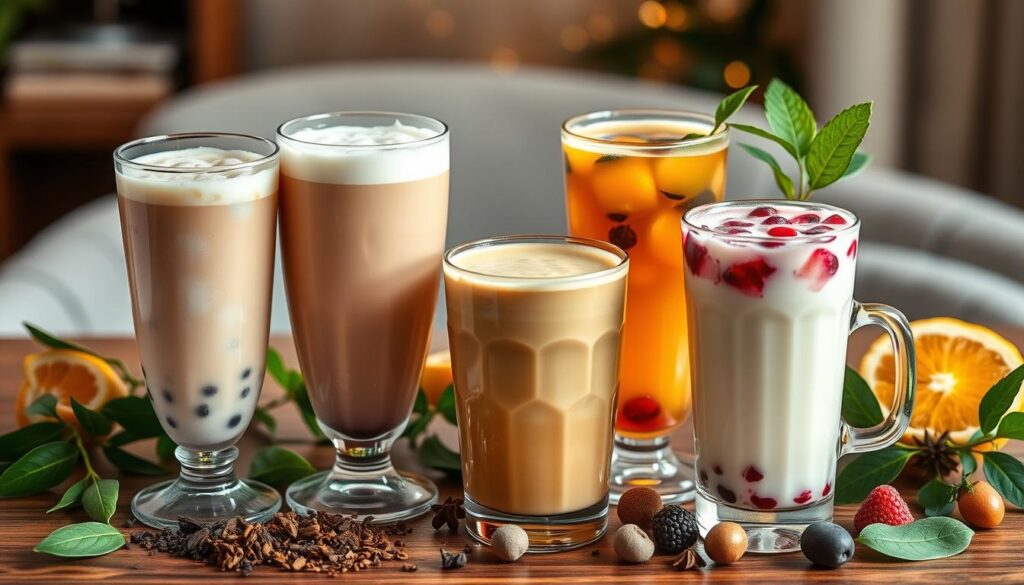
Exploring milk tea reveals a wide variety of flavors and styles. To make milk tea that you’ll love, it’s key to know the different types. From classic Hong Kong-style to modern bubble tea, each has its own taste, ingredients, and way of making.
When making milk tea, think about the base. You can choose from black tea, green tea, or oolong tea. You can also play with different milks, like dairy or non-dairy, to find your favorite flavor. Some popular types include:
- Taiwanese bubble tea, with tapioca pearls and creamy milk tea
- Hong Kong-style milk tea, known for its strong black tea and sweet creaminess
- Japanese-style milk tea, featuring green tea and a light, delicate taste
As you learn, don’t forget to add your own twist with toppings and flavorings. You can use fruit syrups or creamy toppings. With practice and trying new things, you’ll soon make your ideal milk tea.
“The art of making milk tea is all about balance and harmony. It’s about finding the perfect blend of flavors and textures to create a drink that’s both delicious and refreshing.”
Step-by-Step Guide to Making Classic Milk Tea at Home
To make a delicious cup of milk tea, start with the basics. Brewing the perfect tea base is key. You can choose black, green, or oolong tea. Black tea is a top pick for classic milk tea.
After brewing your tea, add milk for a creamy texture. You can use whole, skim, or non-dairy milks like almond or soy. The goal is to balance the tea and milk so neither overpowers the other.
Brewing the Perfect Tea Base
- Use fresh, high-quality tea leaves
- Heat water to the right temperature (around 200°F)
- Steep the tea for the recommended amount of time (usually 3-5 minutes)
Adding and Balancing Milk
To add milk, start with a 1:1 ratio of tea to milk. You can tweak this to your liking. Adding sugar or honey can sweeten your tea. Or, try a bubble tea recipe for a fun twist.
Customizing Your Milk Tea Experience
Learning to make boba tea is just the beginning. The real fun starts when you customize your milk tea. With a few tweaks, you can create a flavor that’s all your own. Whether you like classic tastes or bold mixes, the choices are endless.
At home, the key is to experiment and find what you like. Try different toppings like boba, pudding, or fruit. You can also mix flavors, like matcha with mango or strawberry with cream. Milk tea is all about being creative, so don’t hold back.
Topping Options
- Boba: the classic milk tea topping
- Pudding: adds a creamy texture and flavor
- Fruit: fresh or dried, adds natural sweetness and flavor
As you dive into milk tea, you’ll see there’s no limit to what you can do. With practice, you can make boba milk tea at home that’s just as good as your favorite shop. So, get creative and make it your own!
Troubleshooting Common Milk Tea Problems
Making milk tea can sometimes go wrong, even with great ingredients and techniques. You might face issues like over-extraction, under-extraction, or flavor imbalances. Let’s look at common problems and how to fix them.
Some common issues with milk tea include:
- Over-extraction, which can result in a bitter taste
- Under-extraction, which can lead to a weak or bland flavor
- Flavor imbalances, such as too much or too little sweetness
To solve these problems, try adjusting the brewing time, tea-to-milk ratio, or sweetener amount. For example, if your milk tea tastes too bitter, try brewing it for less time or use less tea. If it’s too weak, brew it longer or use more tea.
Understanding common milk tea problems and how to fix them can improve your recipe. With practice and patience, you can make delicious milk tea anytime you want.
| Problem | Solution |
|---|---|
| Over-extraction | Reduce brewing time or use a lower tea-to-milk ratio |
| Under-extraction | Increase brewing time or use a higher tea-to-milk ratio |
| Flavor imbalances | Adjust sweetener amount or try a different type of milk |
Conclusion: Mastering Your Milk Tea Journey
Your milk tea journey has now reached its end. You’ve learned about its rich history, key ingredients, and how to make it. Now, you can make delicious milk tea or bubble tea that excites your taste buds.
The art of making milk tea is a journey that never ends. It’s a chance to try new things and improve your skills. Don’t be afraid to experiment and try new recipes. Every cup is a chance to learn and grow.
Keep sharing your milk tea creations and connect with others who love it. The world of milk tea is always changing. With your knowledge, you’re ready to become a true expert in this exciting field.
FAQ
What is the origin and cultural significance of milk tea?
Milk tea’s history goes back to ancient China. It was first used for health and cultural reasons. Now, it’s loved all over the world, thanks to bubble tea.
What are the essential ingredients for making milk tea?
To make milk tea, you need good tea leaves, milk, and a sweetener. The kind of tea, milk, and sweetener changes the taste.
What are the different types of tea bases used in milk tea?
Milk tea can use black, green, or oolong tea. Each type gives a unique taste, so you can pick what you like best.
How do I choose the right type of milk for my milk tea?
The milk you choose affects the taste and feel of your milk tea. You can try cow’s milk, plant-based milks, or condensed milk. Find the one that tastes best to you.
How can I customize my milk tea experience?
You can make your milk tea your own by adding toppings like boba or pudding. Try different flavors and use sugar-free sweeteners or dairy-free milk if you want.
How can I troubleshoot common issues when making milk tea at home?
Issues like over-extraction, under-extraction, and flavor problems can happen. Knowing how to fix these can help you make the perfect milk tea.