
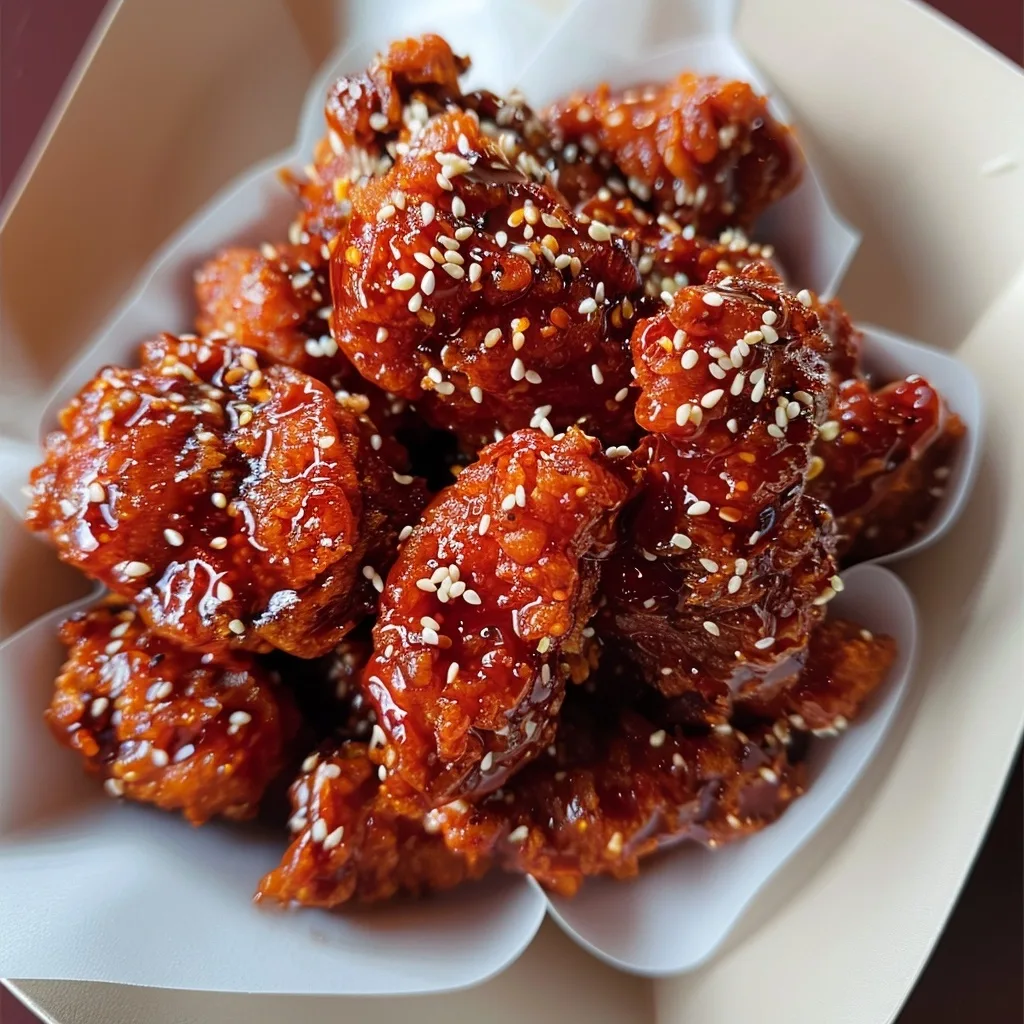
Korean Fried Chicken is a beloved Korean dish known for its crispy exterior and savory glaze. This recipe delivers a perfectly crunchy coating, a subtle hint of heat, and a sweet-salty finish that satisfies every craving. Master the technique with our detailed steps, and enjoy restaurant‑style flavor right at home.
| Prep Time | Cook Time | Total Time | Servings | Difficulty | Cuisine |
|---|---|---|---|---|---|
| 15 mins | 35 mins | 50 mins | 4 | Medium | Korean |
Why This Recipe Works
When I first brought Korean Fried Chicken home, the key difference was the double‑cooking method. By frying at a lower temperature for the first pass and then at a higher finish, the batter stays light while the muscle fibers seal, preventing greasiness. Combining cornstarch‑based batter with an Asian‑inspired glaze locks in moisture and delivers that signature snap.
I experimented with several sauces, but the sweet‑spicy soy‑gochujang blend proved consistent. The balance of umami, tang, and heat creates depth that complements the crunchy coating, making each bite memorable. The secret is also in the resting period: letting the chicken rest for 10 minutes after frying improves air circulation and keeps the exterior crispy for longer.
I also tested the batter’s hydration by adding a splash of cold water; the result was airy and not heavy. This subtle technique, combined with rapid oil temperature control, yields a crisp shell that never becomes soggy.
Ingredients
| Ingredient | Quantity | Notes / Alternatives |
|---|---|---|
| Bone‑in, skin‑on chicken thighs | 2 lbs (≈8 pieces) | Replace with drumsticks for a different cut |
| Low‑sodium soy sauce | 1/4 cup | Use tamari for gluten‑free |
| Rice vinegar | 2 tbsp | Apple cider works in a pinch |
| Gochujang (Korean chili paste) | 2 tbsp | Adjust for heat tolerance |
| Honey | 3 tbsp | Maple syrup substitutes |
| Garlic, minced | 2 cloves | |
| Ginger, grated | 1 tsp | |
| Soy‑based protein powder | 2 tbsp | For binding if batter clings |
| Cornstarch | 1 cup | Can replace with arrowroot |
| All‑purpose flour | 1 cup | |
| Ground black pepper | 1 tsp | |
| Vegetable oil | 4 cups | Sesame oil adds aroma |
| Sesame seeds | 1 tbsp | Optional garnish |
Step‑by‑Step Instructions
-
Marinade
Combine soy sauce, rice vinegar, gochujang, honey, garlic, ginger, and pepper in a bowl; whisk until homogeneous.
-
Soak Chicken
Submerge chicken pieces in the sauce; seal the bowl with plastic wrap and refrigerate for at least 30 minutes.
-
Prepare Batter
In a shallow dish, mix cornstarch, flour, and soy‑based protein powder. Dredge each marinated piece, ensuring even coating.
-
First Fry (Low Temperature)
Heat oil to 160 °C (320 °F). Fry chicken in batches for 8–10 minutes until the surface is lightly golden.
-
Drain and Rest
Place fried pieces on a wire rack; let them rest 5 minutes to allow steam to escape.
-
Second Fry (High Temperature)
Increase oil to 190 °C (375 °F). Sauté chicken again for 3–4 minutes until crisp and deep‑gold.
-
Make Glaze
While frying, pour remaining sauce into a small saucepan and simmer until thickened, about 2 minutes.
-
Toss and Serve
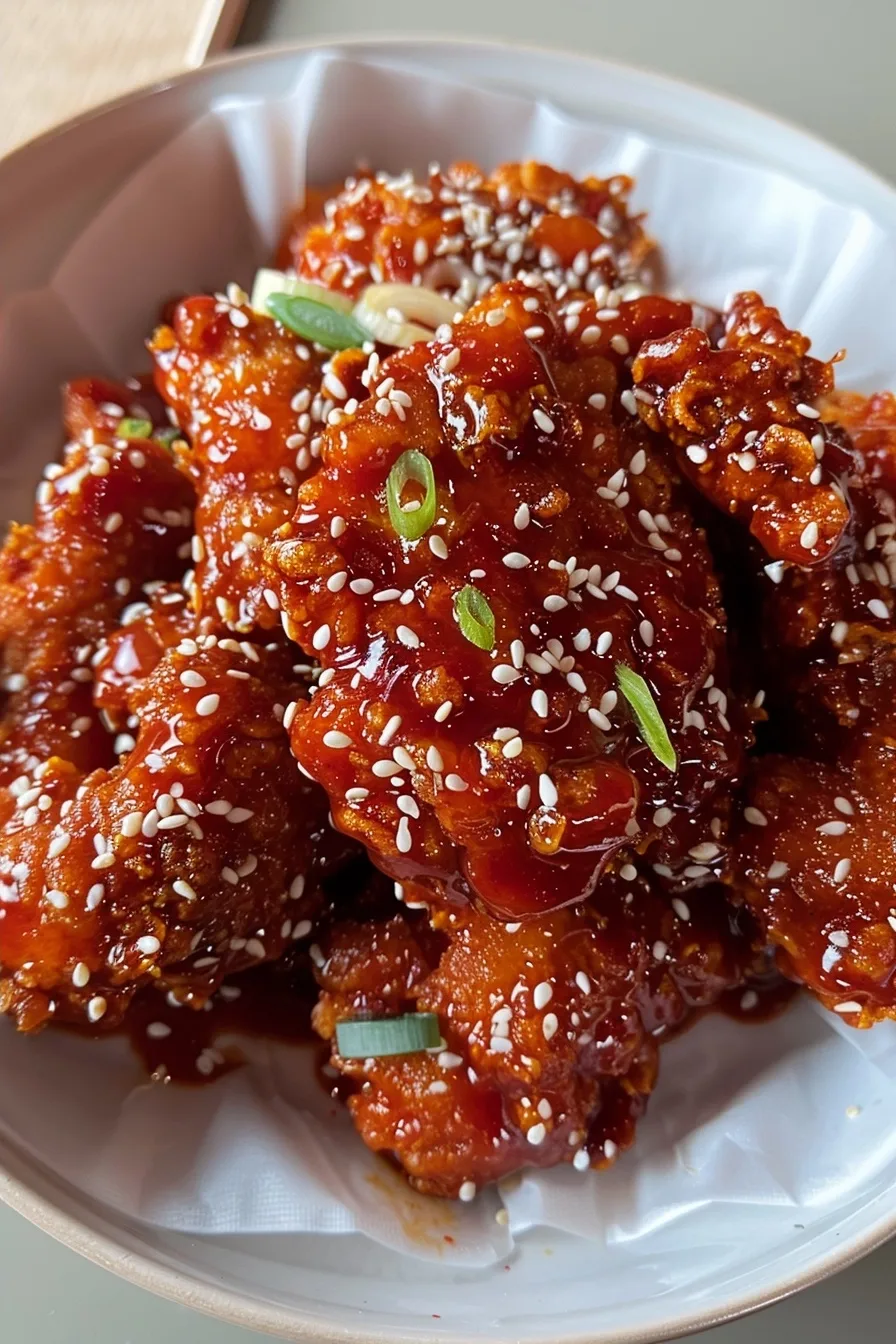
Transfer chicken to a bowl, pour glaze over, and stir to coat. Sprinkle sesame seeds before serving.
Chef Tips for Perfect Results
- Use a deep skillet or a wok; the larger surface area ensures even heat.
- Maintain oil temperature: use a thermometer; dipping a small batter portion should bubble quickly.
- Freeze the batter briefly; cold mixture creates a lighter crust.
- Stagger frying batches to keep the ambient temperature consistent.
- Let the glaze set for 30 seconds before tossing to avoid runny coating.
- Gently shake the pan after each batch to redistribute heat evenly.
Common Mistakes to Avoid
- Oil too hot: results in burnt exterior and raw interior; keep below 190 °C.
- Skipping the first low‑temperature fry: leads to greasy texture.
- Coating unevenly: use a meat tenderizer to flatten pieces before battering.
- Using too much cornstarch: creates a chalky taste; keep ratio at 1:1 with flour.
- Resting too long after first fry: causes moisture loss, making skin dry.
- Forgetting to drain excess oil: toss chicken on paper towels between batches.
Variations and Substitutions
| Ingredient | Substitution | Impact on Flavor |
|---|---|---|
| Gochujang | Red pepper flakes + a touch of brown sugar | Less authentic, but retains heat |
| Honey | Agave nectar | Milder sweetness |
| Vegetable oil | Grapeseed or avocado oil | Neutral taste, higher smoke point |
| Chicken thighs | Boneless thigh meat or skinless breast | Less succulent, but lighter |
| All‑purpose flour | Rice flour | Gluten‑free but crisper |
| Sesame seeds | Chopped toasted almonds | Nutty texture, added crunch |
Serving Suggestions and Pairings
Serve these golden bites on a bed of steamed jasmine rice for a balanced meal. Pair with crisp cucumber Kimchi for a tangy contrast, or float a glass of chilled non‑alcoholic Korean punch to echo the glaze’s sweet‑spicy notes. Ideal for family gatherings, game nights, or a casual brunch. When presented in a tabletop buffet, the aroma draws guests toward the platter, creating a social hub that elevates any occasion.
Storage and Reheating
| Method | Duration | Instructions |
|---|---|---|
| Refrigeration | Up to 3 days | Store in airtight container; keep the glaze in a separate container. |
| Freezing | Up to 2 months | Freeze individually wrapped; thaw overnight in fridge. |
| Reheating (Stove) | 5–7 mins | Wipe skillet, add 1 tsp oil, heat gently until hot, then place chicken, cover briefly. |
| Reheating (Oven) | 10–12 mins | Preheat to 190 °C; bake on parchment lined sheet, flip halfway. |
| Reheating (Air fryer) | 4–5 mins | At 200 °C, arrange in single layer; heat until crisp. |
Nutritional Information (Approximate values per serving)
| Nutrient | Amount per Serving |
|---|---|
| Calories | 620 |
| Protein | 32 g |
| Fat | 34 g |
| Carbohydrates | 30 g |
| Fiber | 1 g |
| Sugar | 12 g |
| Sodium | 1100 mg |
Frequently Asked Questions
Can I use boneless chicken breast instead of thighs?
Yes, boneless breast works but yields a leaner texture. The fat in thighs contributes to juiciness, so consider adding a splash of butter.
How do I ensure the chicken is cooked to the right doneness?
Use a meat thermometer; the internal temperature should reach 75 °C (165 °F) for safety and optimal texture.
Is there a vegan version of this glaze?
Replace honey with maple syrup; use vegetable oil and soy sauce, and omit the chicken entirely for a plant‑based option.
Can I prepare the glaze in advance?
Yes; store it in a sealed jar for up to 48 hours. Reheat gently before tossing with the cooked chicken.
What side dish balances the richness of fried chicken?
Opt for light, crunchy sides such as cucumber salad, pickled vegetables, or steamed broccoli to offset greasiness.
With a combination of mindful battering, regulated frying temperatures, and a flavorful glaze, this Korean Fried Chicken delivers unmistakable restaurant quality in the comfort of home. Enjoy the crispy bite that satisfies cravings and leaves a memorable finish!