
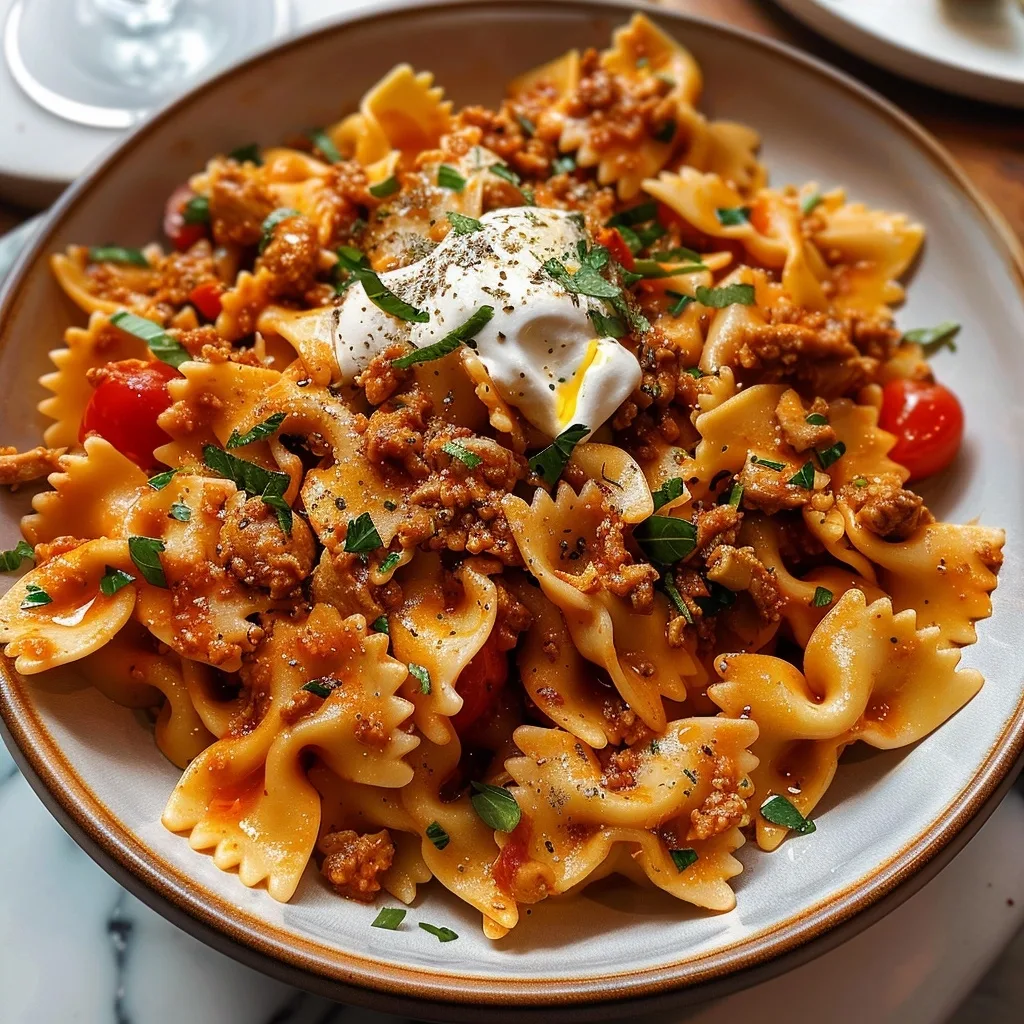
Turkish Pasta is a Mediterranean sheet pasta that blends aromatic herbs with a savory tomato‑based sauce, delivering a comforting yet sophisticated dish. This recipe offers a detailed walk‑through from simple ingredient list to final plating, ensuring authentic results in every bite.
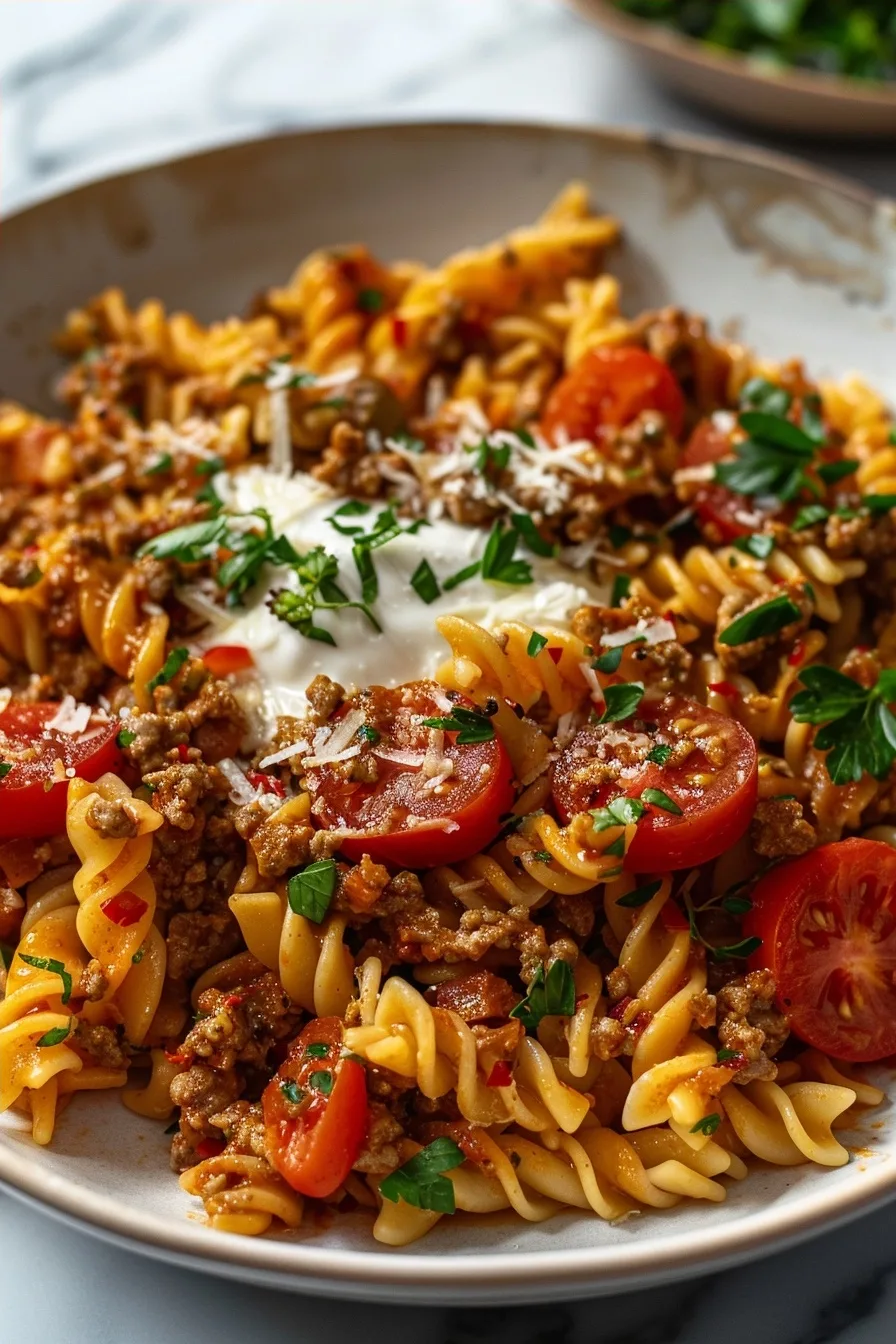
| Prep Time | Cook Time | Total Time | Servings | Difficulty | Cuisine |
|---|---|---|---|---|---|
| 15 minutes | 20 minutes | 35 minutes | 4 | Easy | Mediterranean |
Why This Recipe Works
I first discovered Turkish Pasta while traveling through Istanbul, where the blend of spices and home‑cooked tomatoes evokes strong memories. The key to its success lies in fresh herbs and a balanced tomato‑stock base, which together create layers of flavor authentic to the region.
During the preparation, the garlic’s gentle aroma underscores the sauce, while the stock introduces a subtle burst that compliments the tomatoes. A meticulous simmer allows the sauce to reduce, intensifying the taste without becoming overpowering.
Serving the pasta immediately after cooking preserves the sheet‑like structure, ensuring every bite retains its unique texture. Embedding the dish in a simple garnishing routine—fresh parsley, dill, and optional parmesan—adds a touch of finish that completes the experience.
Ingredients
| Ingredient | Quantity | Notes (Alternatives) |
|---|---|---|
| Pasta | 400g (any flat, wide variant) | Use whole‑wheat or gluten‑free if desired. |
| Olive oil | 2 tbsp | Extra‑virgin provides best aroma. |
| Garlic | 3 cloves, minced | Add extra for stronger flavor. |
| Fresh herbs (parsley, dill) | 2 tbsp each, chopped | Substitutes: basil, cilantro. |
| Crushed tomatoes | 400g can | Use tomato puree for smoother sauce. |
| Chicken stock | 250ml | Vegetable stock works fine. |
| Salt | to taste | Use low‑sodium if needed. |
| Black pepper | to taste | Fresh‑ground adds depth. |
| Parmesan cheese (optional) | 30g, grated | Choose a vegan alternative if preferred. |
Step‑by‑Step Instructions
-
Sauté Onion and Garlic
Heat olive oil in a large skillet over medium heat. Add minced garlic and gently sauté until the aroma is fragrant, carefully avoiding browning.
-
Add Tomatoes and Stock
Stir in crushed tomatoes followed by chicken stock. Bring the mixture to a gentle boil, then reduce heat to maintain a slow simmer.
-
Season the Sauce
Season with salt and pepper, adjusting to flavor preference. Allow the sauce to reduce for 15 minutes, stirring occasionally.
-
Cook the Pasta
Simultaneously bring a large pot of salted water to a rolling boil. Add pasta and cook until al dente, about 8–9 minutes.
-
Combine Pasta and Sauce
Drain the pasta and return it to the skillet containing the simmering sauce. Toss thoroughly to coat each sheet evenly.
-
Finish with Herbs and Cheese
Stir chopped parsley and dill into the pasta. If using, sprinkle grated parmesan, allowing it to melt slightly into the dish.
-
Serve Immediately
Divide the pasta among warmed serving bowls. Optionally, top each portion with additional fresh herbs or a dash of olive oil.
Chef Tips for Perfect Results
- Use a skillet with a wide, flat surface to evenly heat sauce and prevent burning.
- Keep the garlic at low heat; this preserves its subtle umami without turning bitter.
- Simmer the sauce with a lid slightly ajar to control evaporation and keep the sauce from becoming too thick.
- Mix pasta with sauce immediately after draining to avoid clumping and maintain sheet integrity.
- Introduce fresh herbs at the end; this preserves their color and brightness without overcooking.
- For a richer flavor, fold in a splash of vegetable broth during the final 5 minutes of cooking.
Common Mistakes to Avoid
- Over‑simmering the sauce can cause it to become overly thick and lose brightness; keep to 15 minutes.
- Cooking pasta too long leads to a mushy sheet that collapses; aim for al dente timing.
- Adding herbs too early dissolves their texture; add them in the last 2 minutes of simmer.
- Using low‑quality tomatoes reduces depth; choose robust, sun‑ripened can for best taste.
- Ignoring salt harmony results in an unbalanced dish; always taste and adjust with incremental increments.
Variations and Substitutions
| Ingredient | Substitution | Impact on Flavor |
|---|---|---|
| Pasta | Spaghetti, linguine, or egg noodles | Each shape offers a different mouthfeel but keeps the sauce adhesion. |
| Tomatoes | Fresh diced tomatoes | Adds a fresher, less acidic base. |
| Stock | Vegetable stock | Reduces meat flavor while adding depth. |
| Cheese | Parmesan substitute: Pecorino or vegan cheese | Transforms the finish with distinct tang. |
| Herbs | Cilantro or mint | Introduces fresh, peppery nuance. |
Serving Suggestions and Pairings
- Enjoy with a light salad comprised of mixed greens, sliced cucumbers, and a lemon‑olive oil dressing.
- Pair with a chilled glass of dry white wine or a sparkling rosé for a Mediterranean vibe.
- Serve during festive gatherings such as Eid al‑Fitr, offering an accessible yet flavorful centerpiece.
- Complement with regional flatbread for dipping, absorbing sauce remnants.
- Introduce a side of roasted eggplant or grilled zucchini to balance richness.
Storage and Reheating
| Method | Duration | Instructions |
|---|---|---|
| Refrigerator | 1–2 days | Store in an airtight container; reheat gently. |
| Freezer | Up to 3 months | Freeze within a firm, sealed bag; thaw overnight. |
| Reheat | 5–7 minutes | Heat over low heat, adding a splash of reserved sauce or stock. |
Nutritional Information
| Nutrient | Amount per Serving (Approximate) |
|---|---|
| Calories | 520 kcal |
| Protein | 12 g |
| Fat | 18 g |
| Carbohydrates | 69 g |
| Fiber | 4 g |
| Sugar | 9 g |
| Sodium | 550 mg |
Frequently Asked Questions
What can I substitute if I run out of fresh parsley?
Pursuing a robust flavor, crushed parsley or dried parsley substitute at the same quantity preserves the herbal note, though dried offers a slightly faded aroma.
How do I know when the pasta is perfectly al‑dente?
Testing a single spaghetti strand displays firmness; it should be tender yet maintain a slight bite without mushiness.
What is causing my sauce to become watery?
The issue often stems from insufficient simmer. Reduce the heat to maintain a low yet consistent boil, allowing evaporation to concentrate flavors.
Can I pre‑prepare this dish in advance?
Certainly, refrigerate the assembled pasta for up to two days; reheat with a splash of stock or sauce to revive moisture.
How many pieces of pasta are suitable per serving?
A single portion typically contains about 100g of dry pasta, enough to satisfy a main plate without overwhelming volumes.
For a personalized experience, current recommendations suggest serving alongside a light salad or a fresh, crisp cucumber. These combinations highlight the dish’s Mediterranean roots while enhancing the palette.
Conclusion
Turkish Pasta marries simplicity and depth, offering an approachable yet authentic meal that invites culinary exploration. By adhering to the detailed steps and mindful seasoning emphasized here, readers can confidently produce a dish that honors the Mediterranean tradition while accommodating modern dietary preferences.
Give this recipe a try and experience flavors that linger on your palate—an inviting reminder of Turkey’s rich culinary heritage.