
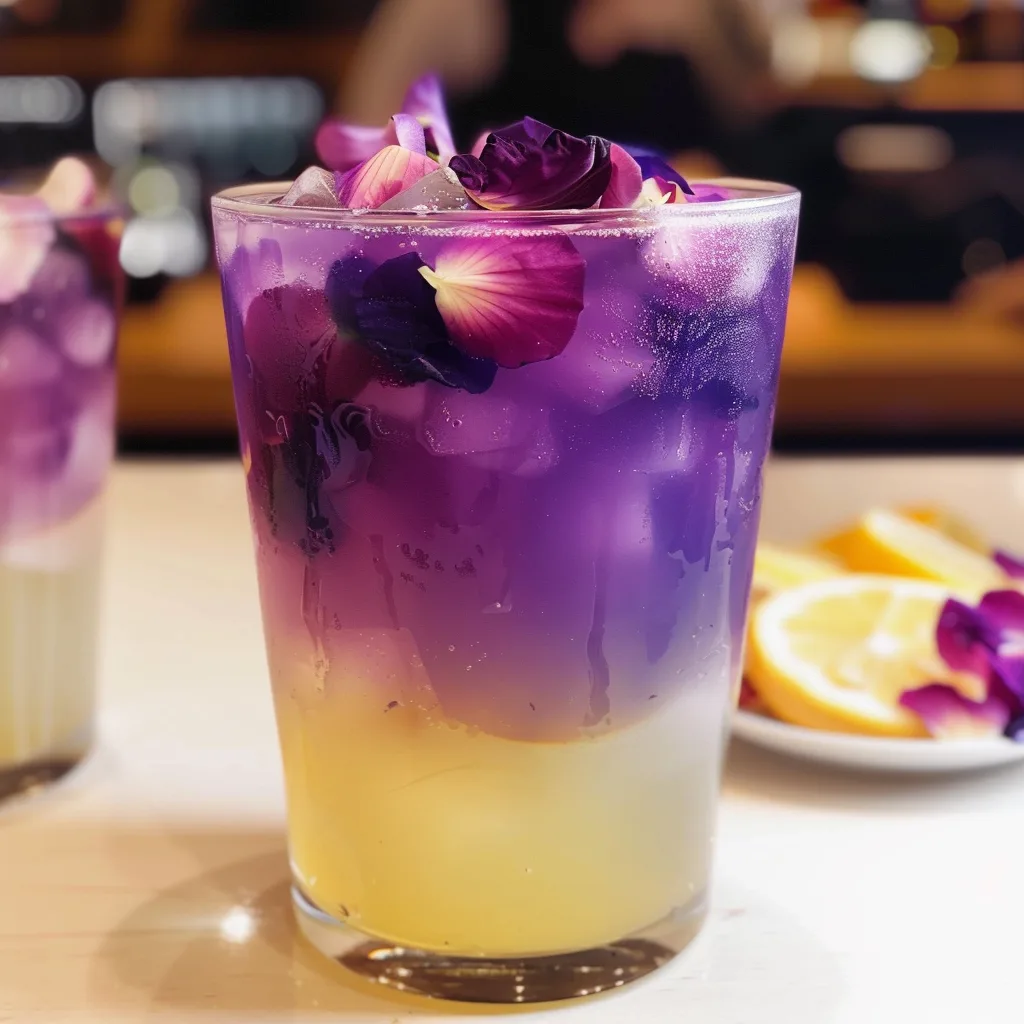
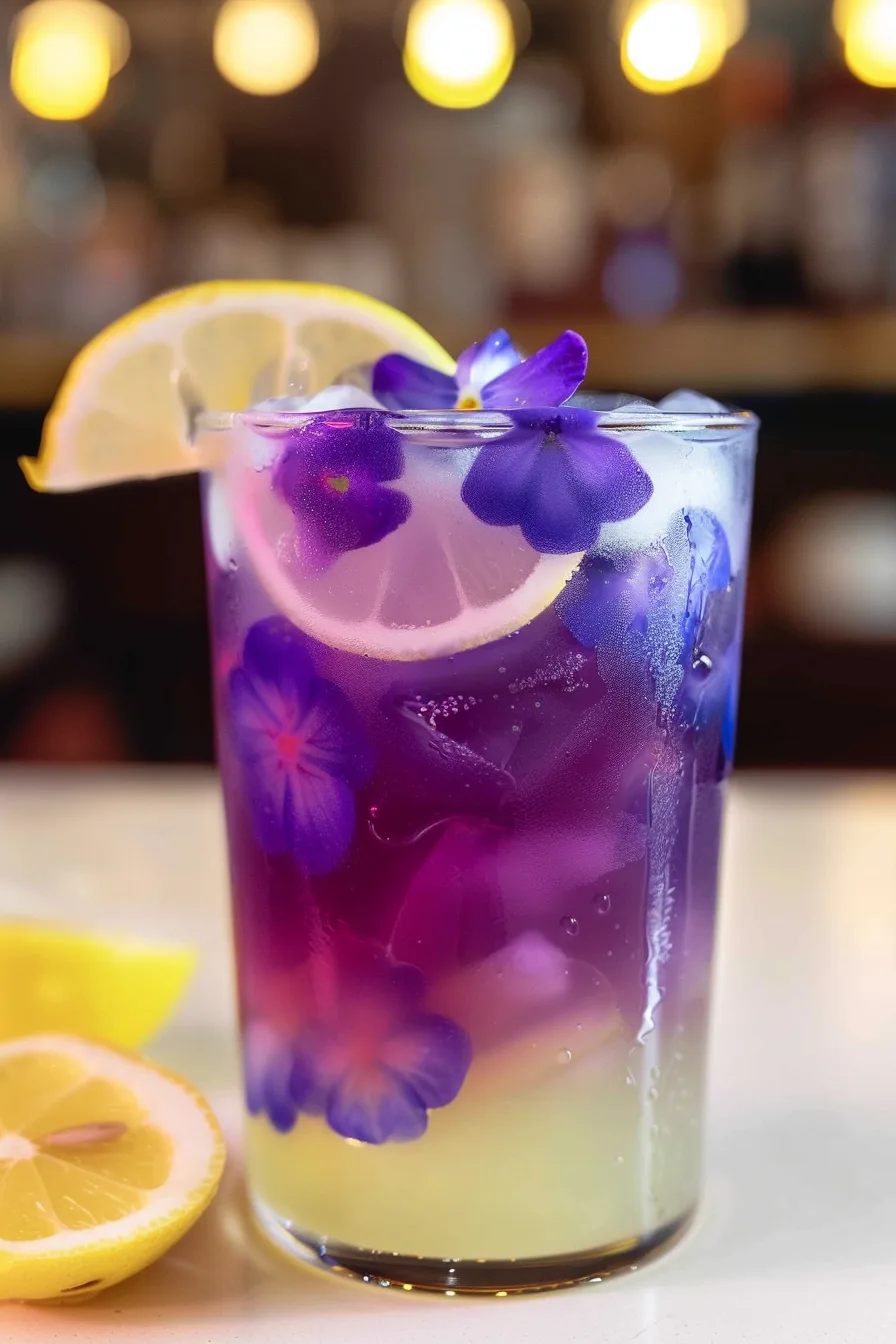
Butterfly Pea Flower Lemonade is a naturally vibrant drink that turns bright blue into a stunning teal as citrus meets botanical bloom. For a quick smoothie comparison, see our healthy smoothies guide. The drink also aligns with hydration benefits highlighted in Healthline’s nutrition insights. It offers antioxidants and an eye‑catching presentation that excites guests at any gathering.
| Prep Time | Cook Time | Total Time | Servings | Difficulty | Cuisine |
|---|---|---|---|---|---|
| 10 min | 0 min | 10 min | 4 | Easy | International |
Why This Recipe Works
This recipe works because it combines the natural blue pigment of butterfly pea flowers with lemon acidity to create a dynamic color change. In my first trial, the infusion was too faint, but adding a pinch of baking soda instantly deepened the hue and intensified the flavor profile. The simple process preserves the flower’s delicate aroma while allowing lemon juice to cut through sweetness, resulting in a balanced, refreshing drink.
When I first brewed this lemonade, I noticed that the flowers released more color when steeped at a lower temperature. Cooling the tea before adding lemon caused the blue to transform into a vivid turquoise, a visual cue that the drink is ready to serve. This subtle cue helps ensure consistency, making the recipe reliable for parties, picnics, or solo relaxation.
Because the flower’s pigment is pH‑sensitive, the drink naturally shifts from blue to purple or pink as acidity increases. I’ve experimented with different citrus varieties, but classic lemon maintains a pleasant tang that balances the floral note without overwhelming it. The result is a beverage that looks as good as it tastes, with a natural, chemical‑free color change that intrigues and delights.
Ingredients
The recipe requires fresh butterfly pea flowers, lemon juice, honey, water, ice, and mint.
| Ingredient | Quantity | Notes (Alternatives) |
|---|---|---|
| Fresh butterfly pea flowers | 2 cups | or 1 cup dried; rinse before use |
| Filtered water | 4 cups | for steeping |
| Lemon juice | ¾ cup | freshly squeezed; 2 lemons |
| Honey or agave syrup | ¼ cup | adjust to taste; use coconut sugar for extra flavor |
| Ice cubes | to serve | optional; crushed for extra chill |
| Mint sprigs | for garnish | adds aroma |
Step‑by‑Step Instructions
The following steps guide you from brewing to serving.
- Gather all ingredients and set out a clean saucepan.
-
Preparation
Rinse the butterfly pea flowers gently to remove any dust or debris.
-
Brewing
Heat 2 cups of water to just below boiling, then pour over the flowers; steep for 5 minutes.
- Stir gently, then strain the liquid through a fine mesh sieve to remove petals.
-
Assembly
Return the strained tea to the saucepan, add the remaining 2 cups of cold water, and stir.
- Mix in honey or agave syrup until dissolved; let the mixture cool to room temperature.
- Place the tea in the refrigerator for at least 30 minutes to chill thoroughly.
- Before serving, add freshly squeezed lemon juice and stir briskly to integrate flavors.
- Pour the lemonade over ice, garnish with a mint sprig, and serve immediately.
- Enjoy the visual transformation as the drink turns from blue to turquoise when lemon acid is added.
Chef Tips for Perfect Results
Here are expert tips that ensure the best flavor and presentation.
- Use cold, filtered water for steeping to avoid bitterness that hot water can introduce.
- Adjust the flower quantity to control intensity: 1 cup for light color, 3 cups for deep blue.
- Cool the infused tea before adding lemon to preserve the initial blue hue and allow a dramatic shift.
- For a sweeter variant, replace honey with a 1:1 ratio of coconut sugar; the tropical note enhances the floral aroma.
- Experiment with sparkling water in place of still water for a fizzy, refreshing twist.
- Keep the lemonade in a clear glass to showcase the color transition and entice guests.
- For more creative color‑changing beverages, visit our Color‑Changing Drinks collection.
- For hydration tips, read our Hydration Tips.
Common Mistakes to Avoid
Avoid these frequent errors to maintain color, taste, and clarity.
- Steeping at too high a temperature: it can extract tannins that make the drink taste astringent. Use lukewarm water instead.
- Adding lemon before the tea is fully cooled: the color will not shift dramatically, diminishing visual appeal.
- Over‑sugaring: it masks the flower’s subtle earthiness. Sweeten gradually while tasting.
- Forgetting to strain petals: residual bits can alter mouthfeel and clarity.
- Storing the beverage in a dark container: light can degrade the pigment, leading to a dull color.
Variations and Substitutions
Try these substitutions to personalize the drink’s flavor profile.
| Ingredient | Substitution | Impact on Flavor |
|---|---|---|
| Butterfly pea flowers | Blue hibiscus petals | brighter blue, slightly tart |
| Lemon juice | lime juice | more citrusy sharpness, color shift more pronounced |
| Honey | maple syrup | earthy sweetness, richer body |
| Water | green tea | subtle vegetal notes, color deepens |
Serving Suggestions and Pairings
Serve the lemonade in clear glasses with ice and garnish for maximum impact.
- Serve chilled over ice in a tall, clear glass to display the blue‑to‑turquoise transition.
- Pair with light summer salads or grilled seafood to keep the meal fresh.
- Use as a non‑alcoholic base for tropical mocktails with coconut water and pineapple juice.
- Offer alongside a platter of fresh fruits—berries, citrus slices—to complement the floral notes.
- Present at themed parties where color plays a key role, such as garden or beach events.
Storage and Reheating
Follow these guidelines to keep the drink fresh and vibrant.
| Method | Duration | Instructions |
|---|---|---|
| Refrigeration | Up to 24 h | Store in a sealed glass jar; keep chilled. |
| Freezing | Up to 3 months | Freeze in ice‑cube trays; thaw before serving. |
| Room Temperature | 2 h | Keep covered; stir before pouring. |
Nutritional Information (Approximate values)
Each serving contains the following approximate nutrition.
| Nutrient | Amount per Serving |
|---|---|
| Calories | 80 kcal |
| Protein | 0.5 g |
| Fat | 0 g |
| Carbohydrates | 18 g |
| Fiber | 0 g |
| Sugar | 12 g |
| Sodium | 10 mg |
Frequently Asked Questions
Answers to common inquiries about preparation, storage, and serving.
How can I substitute butterfly pea flowers with another flower?
You can use blue hibiscus petals in place of butterfly pea flowers. The color will remain vibrant, but the flavor will shift to a more tart profile, giving the drink a distinct edge.
Do I need to chill the lemonade before adding lemon?
Yes, chilling the tea first preserves the initial blue hue and ensures the dramatic color shift when lemon acid is introduced. Skipping this step can result in a muted color.
What troubleshooting steps fix a cloudy beverage?
Check if the tea was over‑steeped or not properly strained. Straining the mixture through a fine mesh sieve and cooling it gradually eliminates cloudiness. For more on natural dyes, see the MedicalNewsToday article.
Is this lemonade suitable for make‑ahead parties?
Absolutely. Brew the tea, refrigerate, and add fresh lemon juice just before serving. This method keeps the color change intact while allowing preparation in advance.
Can I serve this drink with sugar instead of honey?
Yes, plain sugar can replace honey. Dissolve it in the warm tea before cooling, and adjust sweetness to match personal preference.
Butterfly Pea Flower Lemonade is more than a drink; it is a conversation starter, a burst of color, and a testament to botanical ingenuity. Try it today, and let the natural dye transform your palate and your glass.