
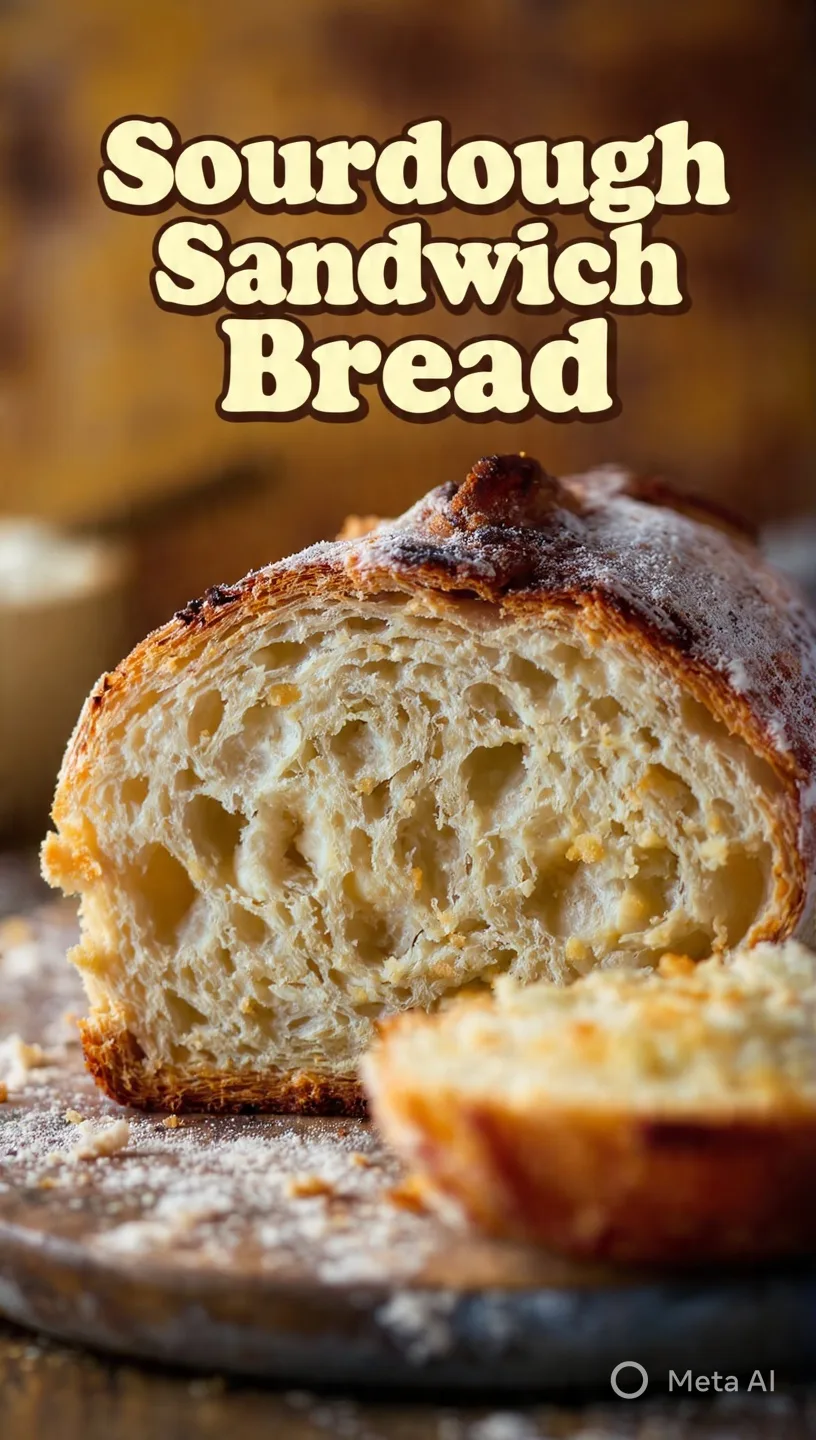
Sourdough discard sandwich bread offers a delicious way to utilize your sourdough discard. This no-waste recipe yields wonderfully soft yet hearty loaves that are perfect for lunch or snacks.
Table of Contents
Why You’ll Love This Recipe
Sourdough discard sandwich bread isn’t just about minimizing waste; it’s about maximizing flavor. By transforming sourdough discard into a delectable loaf, you elevate a simple sandwich to new heights. Unlike traditional sandwich breads, this recipe captures the subtle tanginess and complexity of sourdough. You’ll find that this bread pairs perfectly with any filling, bringing added texture and flavor to your meal. For fans of sourdough discard recipes, this one delivers on simplicity and taste without extra effort.
What Is Sourdough Discard Sandwich Bread?
Sourdough discard sandwich bread is a variant of bread traditionally used for sandwiches. However, it incorporates the leftover portion of a sourdough starter—commonly referred to as discard—into the dough. This imparts a distinctive, subtle sour note to the bread without requiring the full fermentation process typical of classic sourdough. The result is a blend of sourdough’s uniqueness with the practicality of sandwich bread, offering a delicious solution for utilizing sourdough discard.
Ingredients You’ll Need
Creating sourdough discard sandwich bread is straightforward. Gather the following ingredients:
– Bread Flour: 500g
– Sourdough Discard: 100g
– Active Dry Yeast: 7g
– Warm Water (around 100°F): 300g
– Sugar: 30g
– Salt: 10g
– Unsalted Butter (softened): 50g
These simple ingredients will combine to create a versatile, delicious loaf perfect for any meal.
Kitchen Tools Required
The following kitchen tools will streamline your bread-making process:
– Large mixing bowl
– Dough whisk or wooden spoon
– Kitchen scale (for precise measurements)
– Bench scraper
– Stand mixer with a dough hook (optional, for kneading)
– Plastic wrap or damp kitchen towel (for covering the dough)
– Loaf pan (8.5″ x 4.5″)
– Cooling rack
These essential tools will help you achieve the perfect sourdough discard sandwich bread every time.
Step-by-Step Instructions
1. Activate the Yeast: In a small bowl, combine the warm water and sugar. Sprinkle the yeast over the top, stirring until dissolved. Let it sit for about 5 minutes until foamy.
2. Combine Ingredients: In a large mixing bowl, mix the sourdough discard and activated yeast mixture with the bread flour and salt. Add the softened butter. Combine until a shaggy dough forms.
3. Knead the Dough: Turn the dough onto a floured surface. Knead it by hand for about 10 minutes or use a stand mixer with a dough hook on medium speed for 5 minutes until smooth and elastic.
4. First Rise: Place the dough in a greased bowl, cover it with plastic wrap or a damp towel. Let it rise in a warm spot until doubled in size, approximately 1 to 2 hours.
5. Shape the Dough: Once risen, punch down the dough gently. Turn it out onto a lightly floured surface, shape it into a loaf by folding the sides inward, and rolling it up tightly from the short end.
6. Second Rise: Place the loaf seam-side down in a greased loaf pan. Cover it again, letting it rise until it has doubled and formed a nice dome above the rim of the pan, around 1 hour.
7. Bake the Bread: Preheat your oven to 375°F (190°C). Bake the loaf for 35 to 40 minutes until golden brown and sounds hollow when tapped underneath.
8. Cool: Once baked, remove the bread from the loaf pan and let it cool on a cooling rack completely before slicing.
Following these steps ensures a perfect loaf every time, from mixing to the final, delicious bite.
Tips for Best Results
– Room Temperature Ingredients: Using room-temperature ingredients helps the dough to form better.
– Accurate Measuring: Weigh your ingredients with a kitchen scale for consistency.
– Water Temperature: Ensure your water is warm but not hot to avoid killing the yeast.
– Proper Kneading: Knead until the dough is smooth and slightly tacky, achieving the necessary gluten development.
Implementing these tips will enhance your baking experience, ensuring a delightful loaf every time.
Variations and Substitutions
Create diversity with these easy adjustments:
– Whole Wheat Flour: Substitute up to 50% of bread flour with whole wheat flour for a heartier texture.
– Seeds: Add flax, sesame, or poppy seeds for enhanced texture and nutrition.
– Dairy-Free: Replace butter with a dairy-free spread for a non-dairy option.
These adjustments cater to dietary needs while maintaining the delicious essence of the bread.
How to Store and Freeze
Proper storage extends your bread’s freshness:
– Storing: Keep at room temperature in a bread box or wrapped in a clean kitchen towel for up to 4 days.
– Freezing: Slice the bread, wrap each slice in plastic wrap, and place in a freezer bag. Freeze for up to 3 months.
These methods maintain freshness, ensuring each slice is as delightful as the first.
Serving Suggestions
Sourdough discard sandwich bread pairs beautifully with various meals:
– Sandwiches: Create robust, flavorful sandwiches with roasted turkey, tuna salad, or fresh veggies.
– Toast: Enhance each morning with butter, jam, or even avocado on toast.
– French Toast: Elevate weekend brunch with a classic French toast preparation.
These serving suggestions celebrate the versatility of sourdough discard sandwich bread.
Nutrition Section
Understanding what goes into your bread is key. Here’s a simple breakdown per slice (assuming 10 slices per loaf):
| Nutrient | Amount per Slice |
|---|---|
| Calories | 180 |
| Protein | 6g |
| Carbohydrates | 30g |
| Fat | 3g |
| Fiber | 2g |
For more delicious recipe inspiration and step-by-step visuals, follow me on Pinterest.
Frequently Asked Questions
1. Can I use any type of flour?
While bread flour is ideal, all-purpose flour can substitute, albeit with slightly different texture and rise.
2. How do I know when my bread is done?
It’s done when it’s golden brown and sounds hollow when tapped on the bottom.
3. Is sourdough discard necessary?
It adds flavor, but if unavailable, use active sourdough starter.
4. Why isn’t my dough rising?
Ensure yeast is fresh and environment is warm enough.
5. Can I make this bread gluten-free?
Substitute with a gluten-free flour mix, but results may vary.
6. Why does my bread feel dense?
Insufficient kneading or rising time can lead to dense bread.
Conclusion
Sourdough discard sandwich bread brings out the best in your leftover starter, creating a deliciously versatile loaf. Embrace this waste-free approach, and you’ll enjoy soft, flavorful sandwiches or toasts that enrich every meal. Let this recipe transform your bread-baking experience with simplicity and taste. From the tang of the sourdough to the tender crumb, this bread redefines your kitchen staples.