
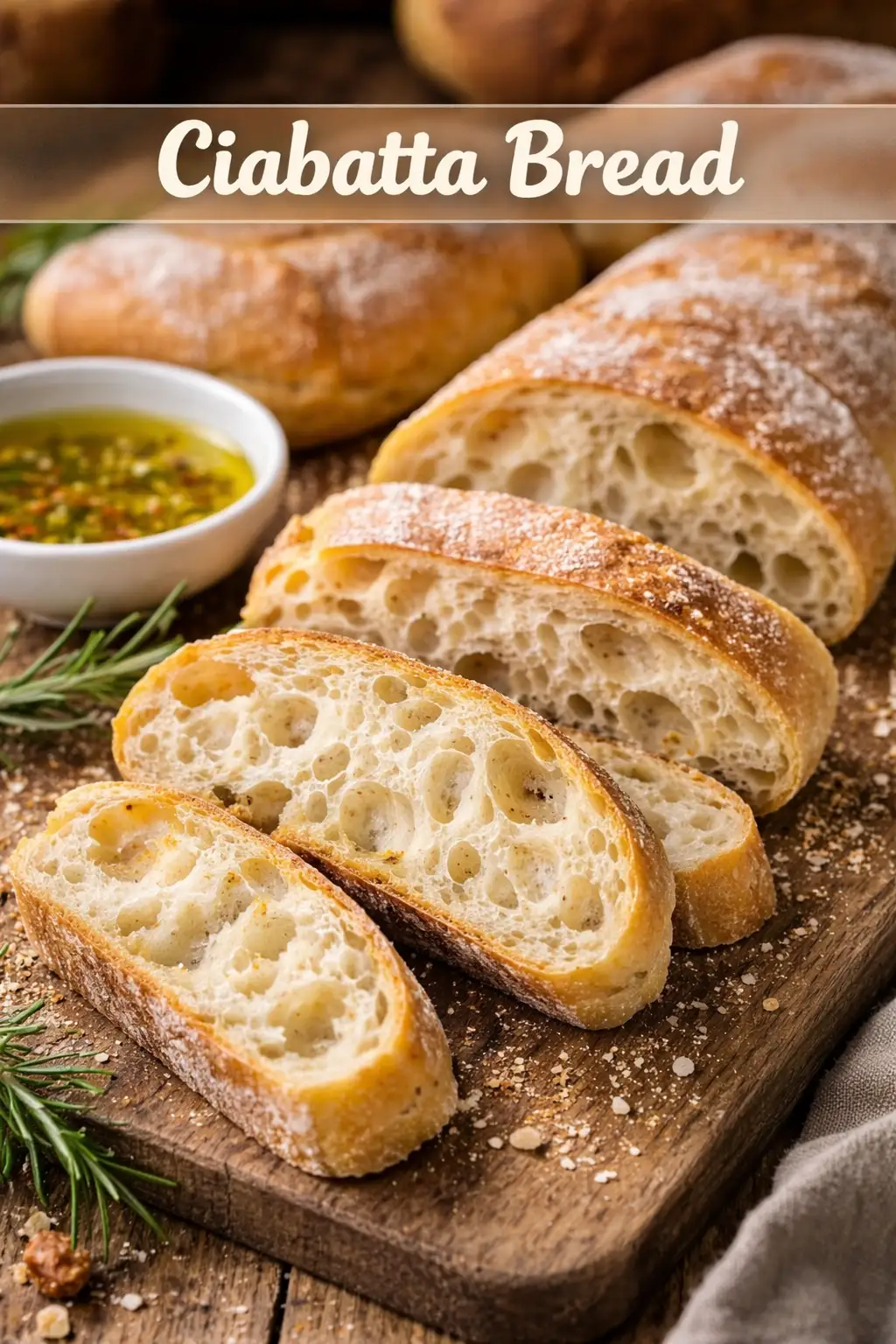
Ciabatta bread is a beloved Italian classic. It’s known for its unique shape, crispy crust, and soft inside. It’s loved around the world, perfect for sandwiches and as a side dish. This article will dive into its history, features, and give you a recipe to make it at home.
Table of Contents
- Ciabatta bread is recognized for its distinct shape and crust.
- It offers a versatile option for sandwiches and side dishes.
- This article will explore the history and evolution of ciabatta bread.
- You can find a step-by-step ciabatta bread recipe here.
- Learn how to achieve that light, airy texture at home.
- Discover tips for storing and serving fresh ciabatta bread.
Introduction to Ciabatta Bread
Ciabatta bread is a favorite that shows the heart of Italian baking. It’s loved for its rustic look and chewy feel. Making ciabatta at home brings joy and connects you to Italy’s cooking traditions.
The bread’s unique holes and crispy crust make it a hit. It’s great with soup or as a sandwich. Its flexibility adds to many meals, showing the charm of real Italian bread.
Ciabatta’s growing fame is more than just tasty. It’s a cultural journey into Italy’s heritage. Learning about its making and special traits lets you see why it’s so beloved in many dishes.
History of Ciabatta Bread
Learning about ciabatta bread’s history makes you appreciate it more. It started in the early 1980s in Italy. Baker Francesco Favorito is credited with its creation. The name “ciabatta” means “slipper,” which fits its flat, elongated shape.
Origins in Italy
Ciabatta bread was a new idea in Italian cooking. It’s made from a wet dough and baked at high heat. This makes it crispy on the outside and soft inside.
It quickly became popular for its texture and taste. Italian bakers started making their own versions, adding their own touches.
Evolution Through the Years
Ciabatta bread didn’t stay in Italy. It spread across Europe, with each country adding its own twist. By the late 1990s, it reached American kitchens and bakeries.
Now, ciabatta rolls are a favorite in sandwiches and as a base for artisan breads.
| Year | Event | Location |
|---|---|---|
| 1980s | Creation of ciabatta bread | Italy |
| 1990s | Introduction to Europe | Various Countries |
| Late 1990s | Emergence in American baking | United States |
What Makes Ciabatta Bread Unique
Ciabatta bread is special in the world of baked goods. Its unique texture, crust, and flavor make it a hit. These features set it apart from others.
Texture and Crust
The texture of ciabatta is chewy and airy. This comes from using a lot of water in the dough. It lets air pockets form during baking.
The outside has a crunchy bread crust. This is thanks to baking at high temperatures. It gets a golden-brown look that’s perfect.
This mix of soft inside and crispy outside makes ciabatta bread stand out.
Flavor Profile
The flavor of ciabatta is mild and nutty. It also has a hint of sweetness from fermentation. The dough’s simple ingredients bring out the natural tastes.
This bread is great with many dishes. Its subtle flavor makes every meal better.
Key Ingredients in Ciabatta Bread
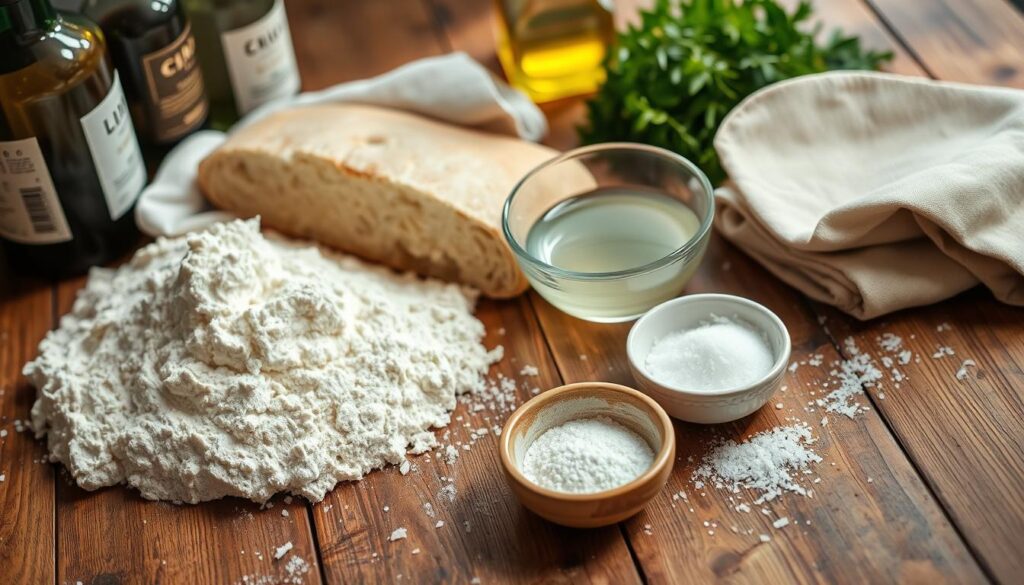
Making perfect ciabatta bread needs a good understanding of its key parts. The bread’s texture and taste come from the ingredients you pick. Choosing the right flour and yeast is important, along with keeping the dough moist.
Flour Types
The flour you pick shapes the ciabatta bread’s structure. High-gluten flour or bread flour is best for its strong gluten. This makes the bread light and airy. Many mix all-purpose flour with bread flour for the right feel.
| Flour Type | Protein Content (%) |
|---|---|
| All-Purpose Flour | 10-12 |
| Bread Flour | 12-14 |
| High-Gluten Flour | 14-16 |
Yeast Selection
The yeast is key for making your ciabatta bread rise. You can use fresh yeast, instant yeast, or active dry yeast. Each type affects how long it takes to ferment. Fresh yeast is often used in traditional recipes, but instant yeast is popular for its ease.
Importance of Hydration
Hydration is vital for the ciabatta bread’s texture. The dough needs a lot of water, about 70-80% hydration. This high moisture helps create big air pockets and a crispy crust. Knowing how hydration works will make your baking better and give you real ciabatta bread.
Ciabatta Bread Recipe
Making ciabatta bread at home is rewarding. Follow this recipe for great results. It includes autolyse, bulk fermentation, and shaping for the best texture and flavor.
Step-by-Step Guide
Here’s how to make ciabatta bread:
- Gather Ingredients: Start with flour, water, yeast, and salt. Use high-quality flour for best results.
- Mix Ingredients: Combine flour and water, resting for 30 minutes. This is called autolyse.
- Add Yeast and Salt: Mix in yeast and salt until well combined.
- First Rise: Let the dough rise at room temperature until it doubles, about 1 to 2 hours.
- Stretch and Fold: Gently stretch and fold the dough to develop gluten strength.
- Second Rise: Let the dough rise for another hour.
- Shape the Dough: Turn the dough onto a floured surface, divide, and shape into loaves.
- Preheat the Oven: Preheat your oven to 450°F (230°C) for optimal baking.
- Bake: Place the loaves in the oven, adding steam for a crispier crust.
Tips for Perfect Dough
Follow these tips to enhance your bread-making experience:
- Maintain a warm environment for fermentation to encourage yeast activity.
- Gently handle the dough while shaping; this preserves air pockets that contribute to ciabatta’s unique texture.
- Allow sufficient time for rising; patience leads to better flavor and texture.
- Use a baking stone or steel for even heat distribution.
| Step | Action |
|---|---|
| 1 | Gather Ingredients |
| 2 | Mix Ingredients |
| 3 | Add Yeast and Salt |
| 4 | First Rise |
| 5 | Stretch and Fold |
| 6 | Second Rise |
| 7 | Shape the Dough |
| 8 | Preheat the Oven |
| 9 | Bake |
How Do You Make Ciabatta Bread?
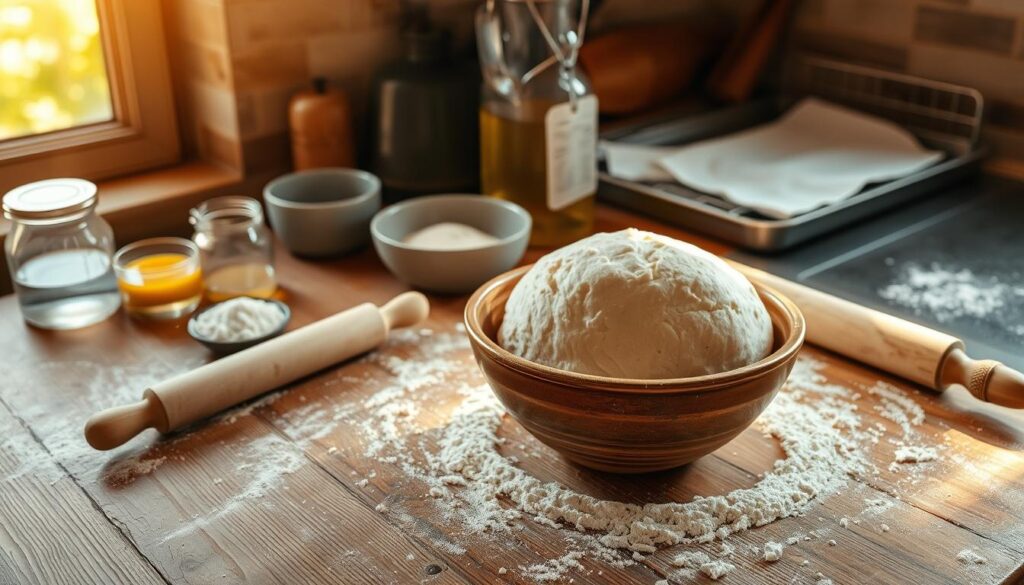
To make homemade ciabatta, start with a strong starter. This starter boosts the bread’s flavor and texture. Mix flour, water, and a bit of yeast first. Let it ferment for hours or overnight for a deeper taste.
Then, mix the starter with more flour, water, and salt. Knead the dough, but focus on folding it every 30 minutes for two hours. This method strengthens the dough without overworking it.
After folding, let the dough rest until it doubles in size. This can take 2 to 4 hours, depending on your kitchen’s temperature. Be patient; let the dough develop naturally.
For a perfect crust, bake in a hot oven. Use a baking stone or sheet to create a hot surface. This helps the bread rise well and get a crispy crust.
When ready, shape the dough carefully to avoid deflating. Place it on parchment paper. Bake for 25-30 minutes, or until it’s golden and sounds hollow. The smell of fresh ciabatta will fill your kitchen, showing your success.
| Step | Action | Time |
|---|---|---|
| 1 | Prepare the starter | Several hours or overnight |
| 2 | Mix dough & perform folds | 2 hours |
| 3 | Rest the dough | 2-4 hours |
| 4 | Shape dough | 5-10 minutes |
| 5 | Bake bread | 25-30 minutes |
Ciabatta Bread Rolls: A Variation
Ciabatta bread rolls are a fun twist on the classic loaf. They are bite-sized and keep all the great qualities. Baking these rolls lets you enjoy a tasty and versatile bread. They are perfect for any event, with a crispy outside and soft inside.
Baking Miniature Versions
To bake ciabatta rolls, start with the traditional dough. Let it rise, then divide it into small pieces, about 90 grams each. Shape them into rolls, being gentle to keep them light. Place them on a floured surface, cover, and let them rest again.
Bake them at a high temperature for a crispy crust. They usually take 20 to 25 minutes to bake.
Serving Suggestions
Ciabatta rolls are great with many dishes. Try them with:
- Sliders filled with your favorite meats, cheeses, or veggies
- Sandwiches that highlight fresh ingredients
- As an accompaniment to soups and salads
Pair them with:
- Cured meats like prosciutto or salami
- Soft and tangy cheeses such as goat cheese or feta
- Dipping oils infused with herbs or spices
| Serving Suggestions | Flavor Pairings |
|---|---|
| Sliders | Cured meats |
| Sandwiches | Soft cheeses |
| Soups | Dipping oils |
Ciabatta Bread Machine Recipe
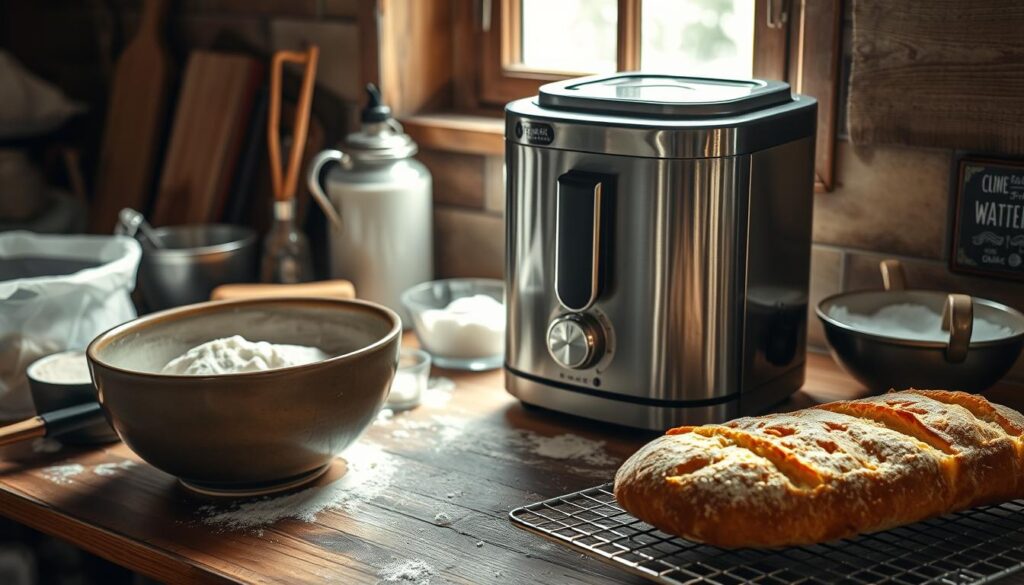
Making homemade ciabatta bread is easier with a bread machine. It simplifies the process and helps you get that classic texture and crust. You don’t need to do all the hard work by hand.
Here’s an easy ciabatta bread machine recipe to follow:
| Ingredient | Amount |
|---|---|
| Warm Water | 1 1/4 cups (300ml) |
| Olive Oil | 2 tablespoons |
| Bread Flour | 3 1/4 cups (400g) |
| Salt | 1 1/2 teaspoons |
| Active Dry Yeast | 2 teaspoons |
To start, put the warm water and olive oil in your bread machine. Then, add the bread flour, salt, and yeast in that order. This helps the dough form right during the machine bread making process.
- Select the “French Bread” or “Basic” cycle on your bread machine.
- Adjust the crust setting to your preference—light, medium, or dark.
- Start the machine and enjoy the aroma that fills your kitchen.
After the baking cycle ends, take out the ciabatta and cool it on a wire rack. This recipe makes a loaf great for sandwiches or as a side dish. Try making more delicious bread by checking out more bread recipes to improve your baking skills.
Artisan vs. Rustic Bread: What’s the Difference?
Understanding the differences between artisan and rustic bread can deepen your appreciation for these treats. Ciabatta is a great example, showing qualities of both. Each style has its own special traits.
Defining Artisan Bread
Artisan bread is all about traditional ways of making it. It’s known for using top-notch ingredients and skill. This bread is loved for its taste and texture.
Artisan baking is a tradition passed down through generations. It ensures quality and consistency. Ciabatta, with its unique crust and soft inside, is a perfect example of artisan bread.
The Rustic Bread Approach
Rustic bread is coarser and chewier than artisan bread. It celebrates the natural look of traditional baking. Ciabatta, with its thick crust and airy inside, is a great example.
Rustic baking is simpler and uses fewer ingredients. This lets the quality of the flour stand out. It’s all about embracing the natural beauty of bread.
Best Practices for Bread Baking
Mastering bread baking needs focus on key details. It’s about getting the right temperature and knowing how to shape and score. These practices can make your ciabatta bread stand out. Let’s explore the important steps for baking success.
Getting the Right Oven Temperature
Choosing the right temperature is key for light, airy ciabatta. Heat your oven to 425°F to 475°F. This high heat helps the dough rise fast, creating a great crust.
Using a baking stone or adding steam can make the bread even better. Steam helps the crust puff up, giving it that classic ciabatta look.
Shaping and Scoring Techniques
Shaping ciabatta right is vital for its structure and rise. Gently stretch the dough without deflating it too much. For scoring, use a sharp blade to make cuts before baking.
This technique boosts oven spring and makes your loaf look amazing. Knowing these techniques is key to baking bread that wows.
Storing and Serving Fresh Ciabatta Bread
Keeping ciabatta bread fresh is key. It’s all about preserving its texture and taste. This makes your meals even better.
How to Keep Bread Fresh
Here are some tips for storing ciabatta:
- Wrap it in a clean kitchen towel. This keeps it moist and lets air in.
- Don’t use plastic bags. They can make the crust soggy.
- For longer storage, put it in a paper bag. It breathes and stays fresh for days.
- Freezing is best for longer storage. Slice it before freezing for easy use.
Pairing Suggestions
Here are some great ways to serve ciabatta:
- Spread creamy butter or flavored oils for a rich taste.
- Try savory toppings like goat cheese. It goes well with the crust.
- Put cured meats and olives on a charcuterie board for a Mediterranean vibe.
- Use it for sandwiches with fresh veggies and your favorite protein.
Adding the right flavors can make your meal special. Serving ciabatta can lead to many tasty ideas.
Common Mistakes to Avoid in Bread Making
Starting to bake ciabatta bread? Knowing common bread making mistakes can help you avoid frustration. Many new bakers miss important steps that affect their bread’s quality.
- Improper ingredient ratios can greatly impact your bread. Too much flour makes it dense, while too little makes it flat.
- Neglecting to hydrate the dough properly can make it tough. Make sure to add enough water for the right dough consistency.
- Insufficient kneading stops gluten from forming. This leads to a bread that doesn’t rise well. Knead until it’s smooth and elastic.
- Ignoring fermentation time can hurt flavor. Let the dough rise long enough to improve taste and texture.
- Not preheating the oven can make your ciabatta soggy. Always heat your oven to the right temperature before baking.
Knowing these baking errors helps you fix them and improve your baking. Watch out for these mistakes on your ciabatta baking path.
Conclusion
In this ciabatta bread summary, you’ve learned about its rich history and special qualities. Ciabatta is loved in many kitchens for its unique taste and texture. It’s not just a food, but also a chance to be creative in baking.
Making ciabatta at home is easier than you think. With the right ingredients and techniques, you can make delicious loaves. This will take your baking skills to new heights.
Try making ciabatta rolls or explore other bread recipes. For more ideas, check out Lely Recipes. Baking ciabatta will make your taste buds happy and impress your friends and family. So, start your ciabatta bread adventure today!
FAQ
What is ciabatta bread?
Ciabatta bread is a classic Italian bread. It has a rustic look, a crusty outside, and a soft, airy inside. It’s great for sandwiches or as a side dish.
How do you make ciabatta bread at home?
To make ciabatta at home, you need flour, water, yeast, and salt. Mix, knead, let the dough rise, and bake at high heat for the crust.
Can ciabatta bread be made using a bread machine?
Yes! There are recipes for making ciabatta in a bread machine. Just make sure to use the right settings and ingredients for your machine.
What is the hydration level for ciabatta dough?
Ciabatta dough has a hydration level of 70-80%. This high water content creates big air pockets and a chewy texture.
What are some tips for perfecting ciabatta rolls?
For ciabatta rolls, handle the dough gently to keep air pockets. Let it rise well and bake at high temperatures for the crust.
How can I store ciabatta bread to keep it fresh?
Store ciabatta at room temperature in a paper bag. Don’t use plastic bags, as they can make the crust soggy. Freeze it wrapped in foil for longer storage.
What pairs well with ciabatta bread?
Ciabatta goes well with spreads, cheeses, and cured meats. It’s also good for dipping in olive oil or with soups and salads.
What are common mistakes to avoid when making ciabatta?
Avoid using the wrong flour, not hydrating enough, and over-kneading. Stick to the recipe and let the dough rise properly.